#AI
#公众号
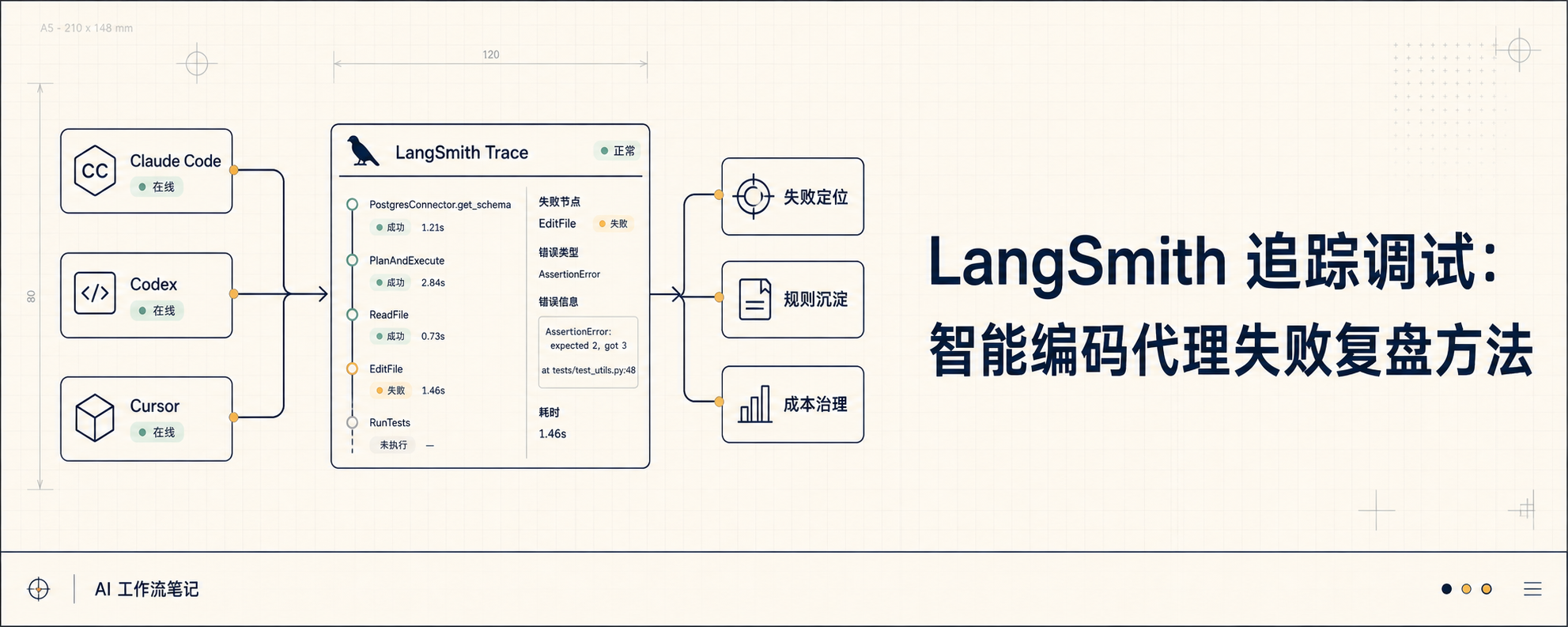
LangSmith 追踪调试:智能编码代理失败复盘方法
很多人第一次需要 **LangSmith 追踪调试**,是从一次智能编码代理失败开始的。最后的代码差异可能是绿色的,测试也可能通过了。但你不知道中间发生了什么:父代理为什么拆出子代理,子代理读了哪个辅助函数,工具调用有没有走偏,失败测试又是怎么被“修好”的。
Read More →
AI, systems, networks, security, and engineering practice.
75 articles total
很多人第一次需要 **LangSmith 追踪调试**,是从一次智能编码代理失败开始的。最后的代码差异可能是绿色的,测试也可能通过了。但你不知道中间发生了什么:父代理为什么拆出子代理,子代理读了哪个辅助函数,工具调用有没有走偏,失败测试又是怎么被“修好”的。
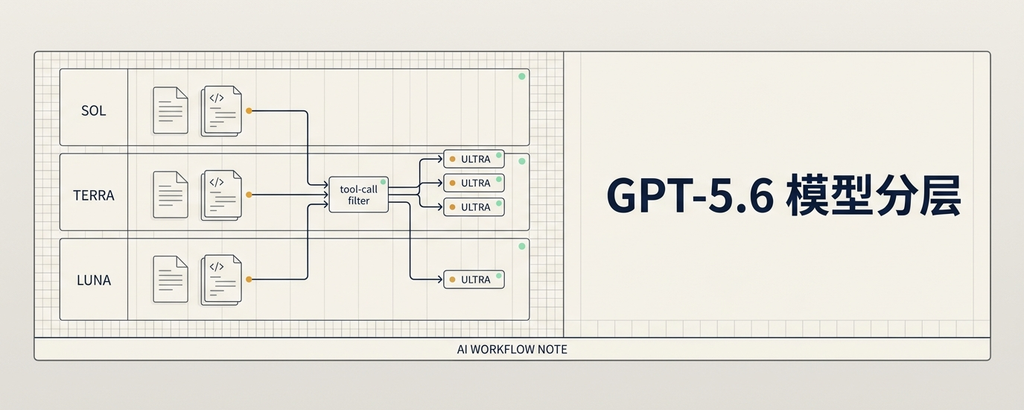
2026 年 7 月 9 日,OpenAI 宣布 GPT-5.6 全面可用。此前它经历过有限预览,现在以 Sol、Terra、Luna 三个层级进入 ChatGPT、Codex 和 API。Sol 是旗舰模型,Terra 面向日常工作,Luna 追求速度与成本效率。
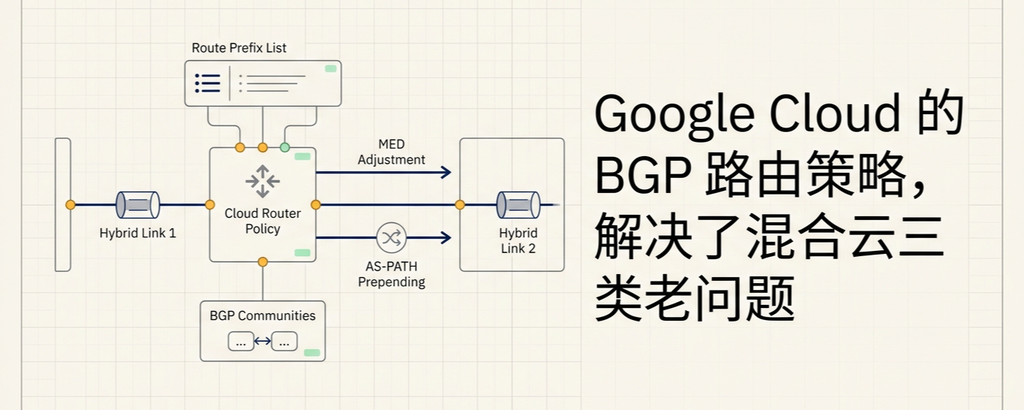
混合云网络最麻烦的时刻,常常发生在线路还通、路径已经变得难以解释的时候:某些前缀被学进来,备用链路承担了不该承担的流量,回程路径绕过了原来的防火墙。**BGP 路由策略**解决的就是这类问题。它把路由过滤、路径优先级和回程对称性,放到 Google Cloud 的 Cloud Router 里,用策略规则统一控制。
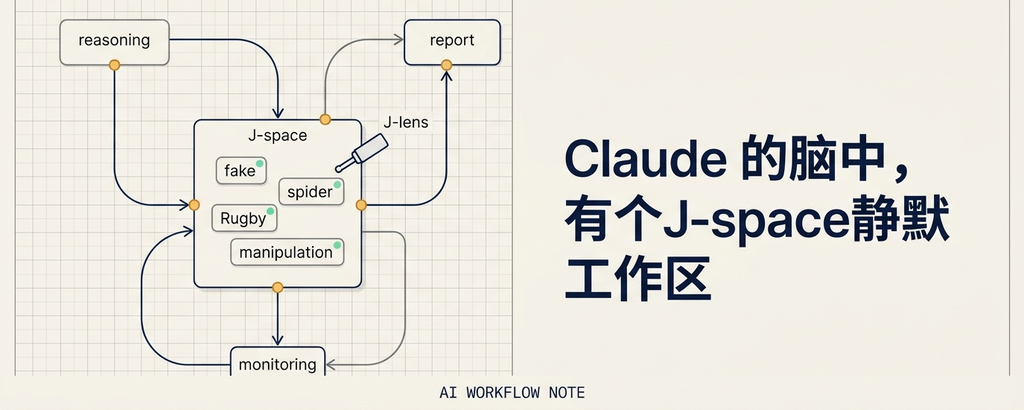
当一个 AI Agent 给出一段很正常的回答时,它可能已经在内部识别出“这是测试场景”,也可能短暂考虑过伪造数据、隐藏目标或绕开评估。问题在于,团队通常只能看见模型写出来的字,看不见它没说出口的判断。Anthropic 这篇研究把问题往前推进了一步:Claude 内部存在一组可以被读取、被干预、会参与推理的表征。研究者把它叫做 **J-space**。你可
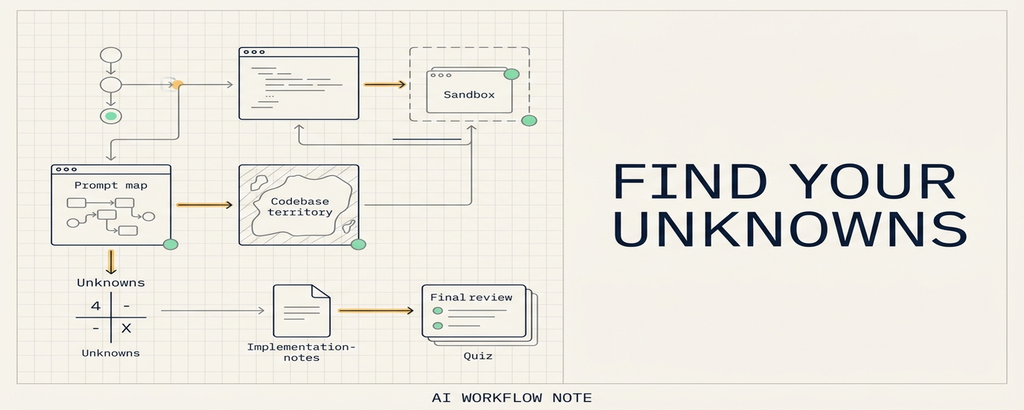
很多人用 Claude Code 写代码时,已经会给需求、贴上下文、要求先出计划。问题出在下一层:Claude Code 未知点没有被提前暴露出来,长任务就会在实现中靠猜测前进。这里的未知点不是“模型不知道某个知识点”。原文把它放在“地图”和“领土”的差距里讲。地图是你给 Claude 的提示词、技能和上下文;领土是代码库、真实业务和各种实际限制。两者之间没
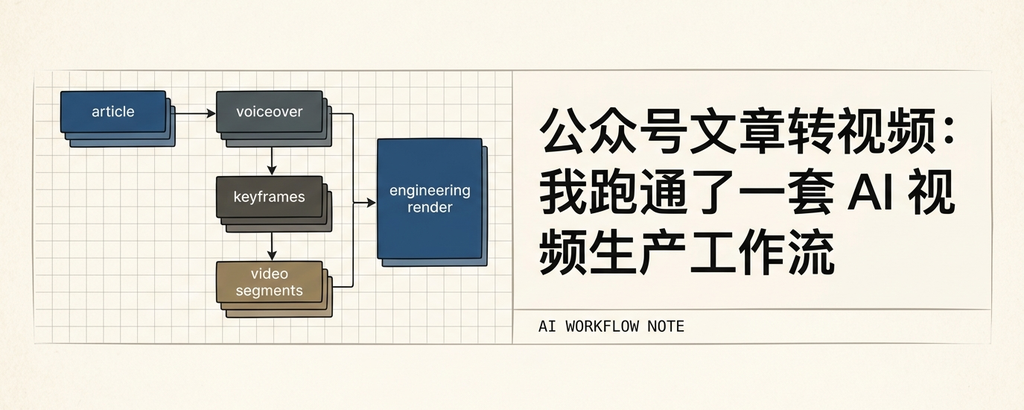
我最近把一篇 LangChain 文章,改成了一条 70 秒左右的竖屏视频。这次不是把公众号配图裁成 9:16,也不是随便加一段音乐,让它看起来像视频。而是完整跑了一遍流程:文章先变成口播稿,口播再拆成分镜,分镜生成关键图,关键图变成短视频段,最后用工程工具统一处理字幕、音频、BGM 和导出。
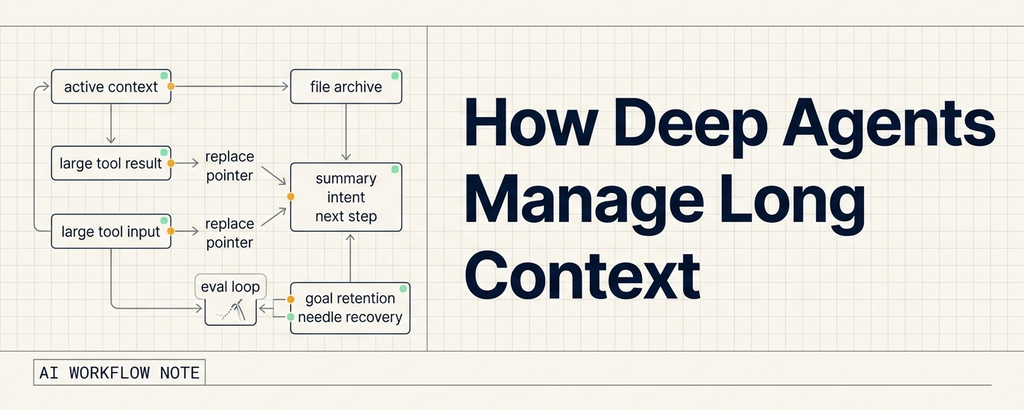
Source: LangChain BlogOriginal title: Context Management for Deep AgentsURL: https://www.langchain.com/blog/context-management-for-deepagents
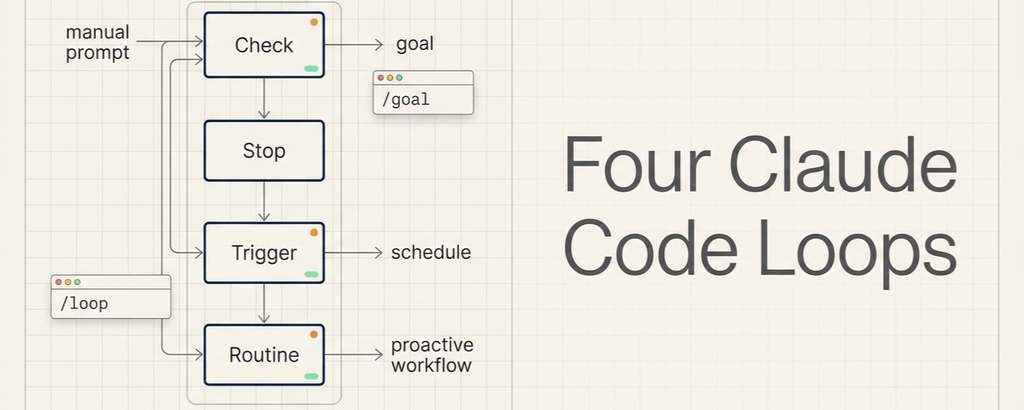
Source: Claude BlogOriginal link: https://claude.com/blog/getting-started-with-loopsPublished: June 30, 2026Topic: How Claude Code defines agentic loops, and how to choose between
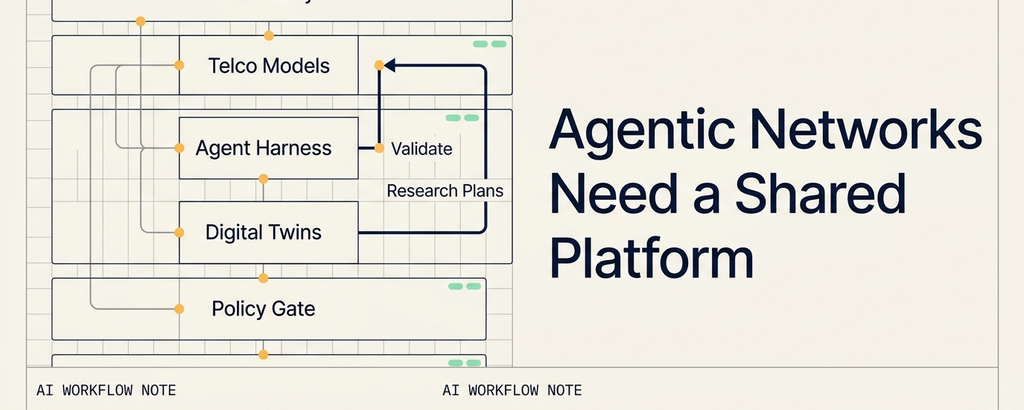
Source: NVIDIA Developer BlogOriginal: https://developer.nvidia.com/blog/how-telcos-build-autonomous-networks-with-agentic-ai/
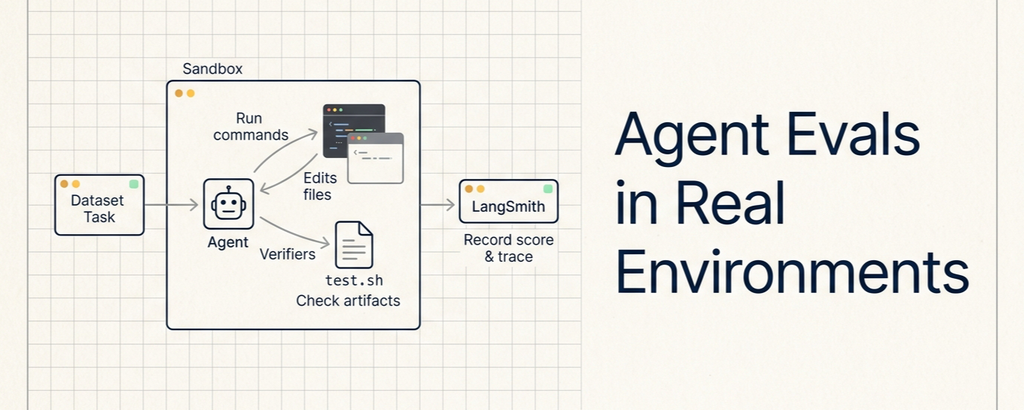
Source: LangChain BlogOriginal: https://www.langchain.com/blog/unified-stack-for-evaluating-agentsPublished: June 30, 2026
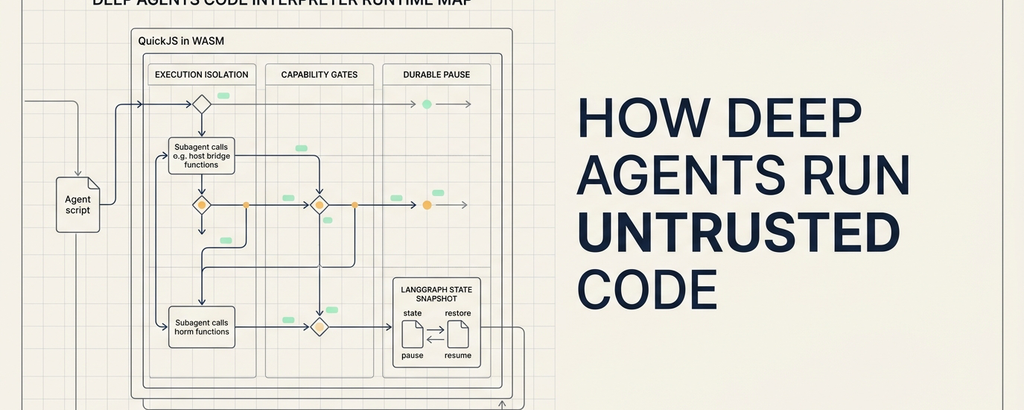
Letting an agent write a small script to coordinate several subagents is a natural next step for agent workflows. It reduces the back-and-forth of one tool call at a time. It also
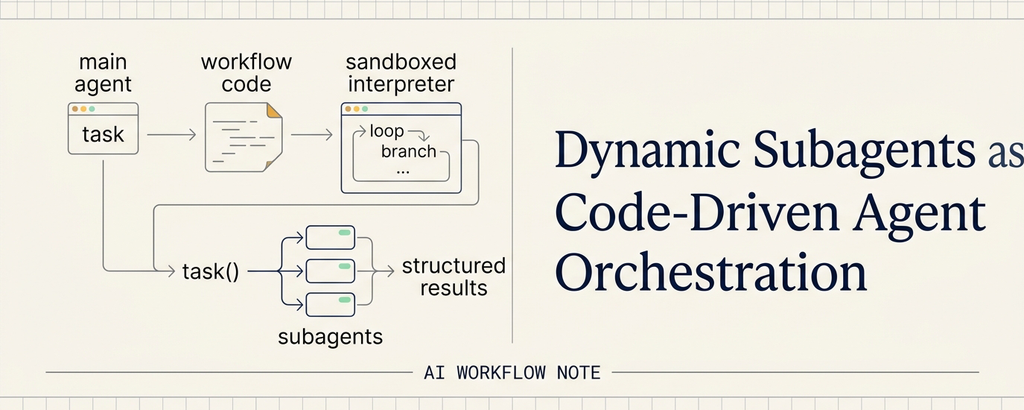
When agents are asked to review a directory, summarize hundreds of pages, process a batch of support tickets, or run a security scan, the visible failure is often simple: the task
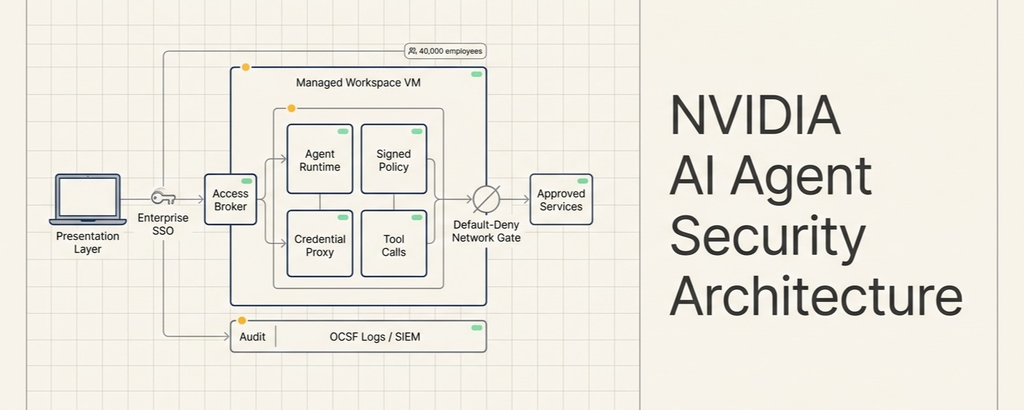
When enterprises connect agents to real systems, the problem shifts from answer quality to execution control.A chatbot can give a wrong answer. An enterprise agent can read code, r
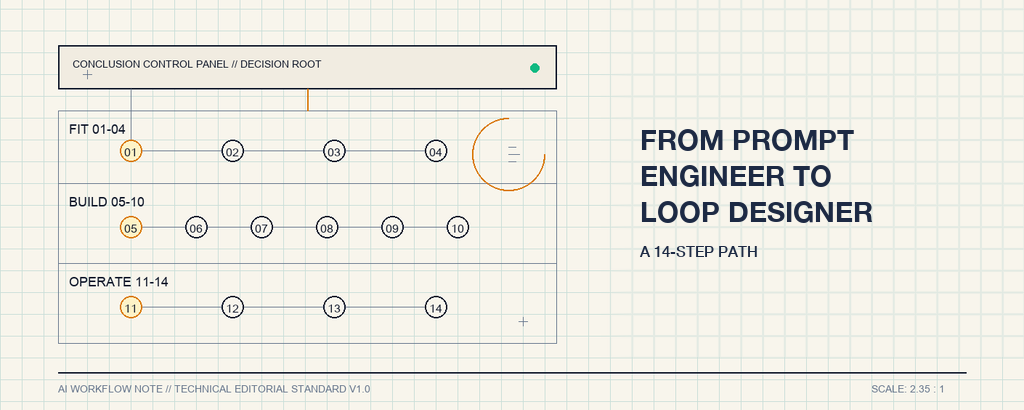
Many developers already use coding agents every day, but the operating pattern is still manual: describe a task, wait for a change, read the diff, and send the next instruction. Fo
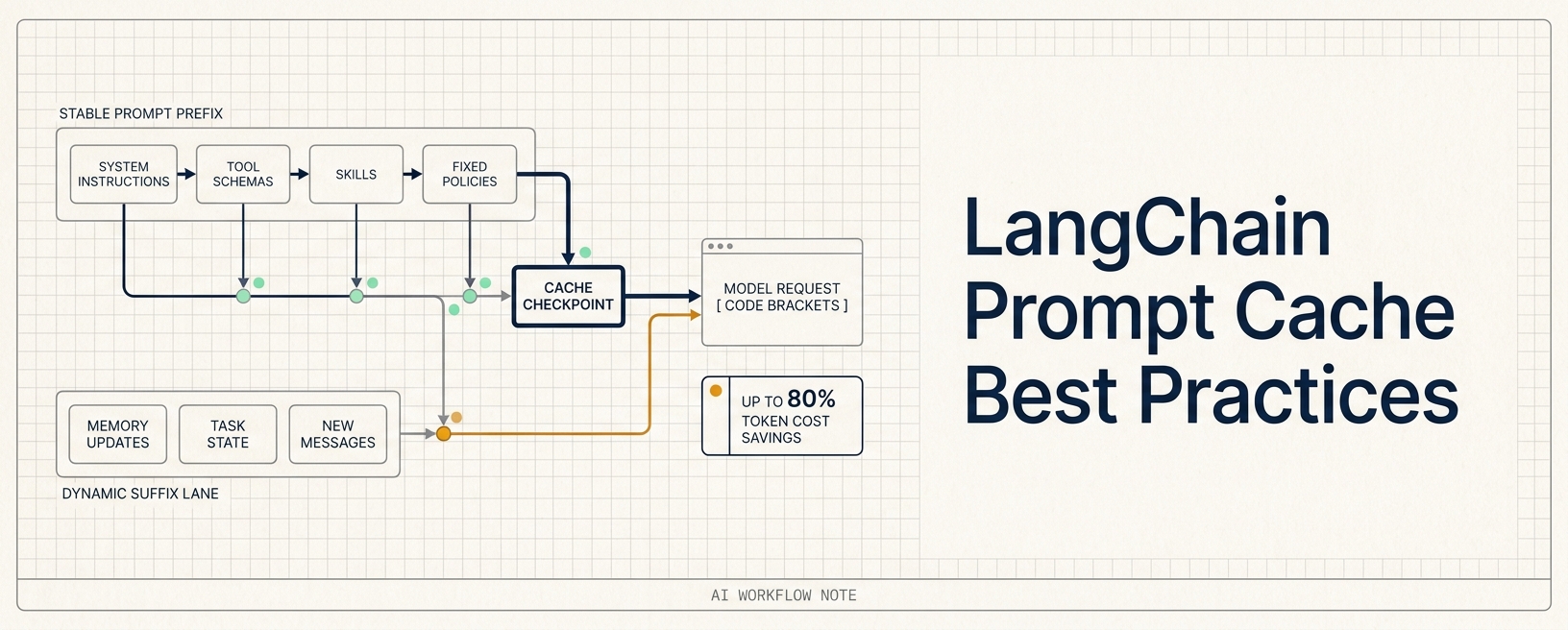
A long-running agent may add only a small amount of new information on each turn.The model still receives much more than the latest message. System instructions, tool schemas, load
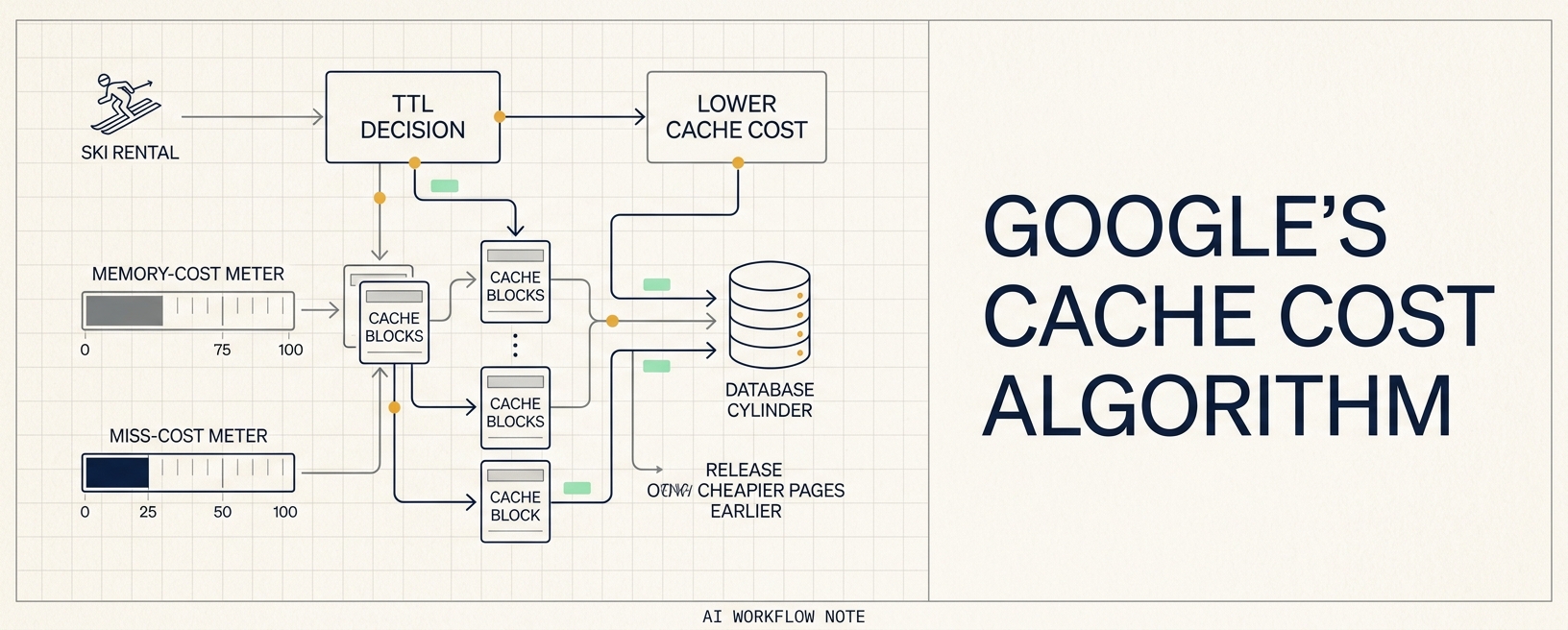
Google Research shows how cost-aware TTL decisions reduced Spanner memory usage by 15.5% and total cost of ownership by about 5%.
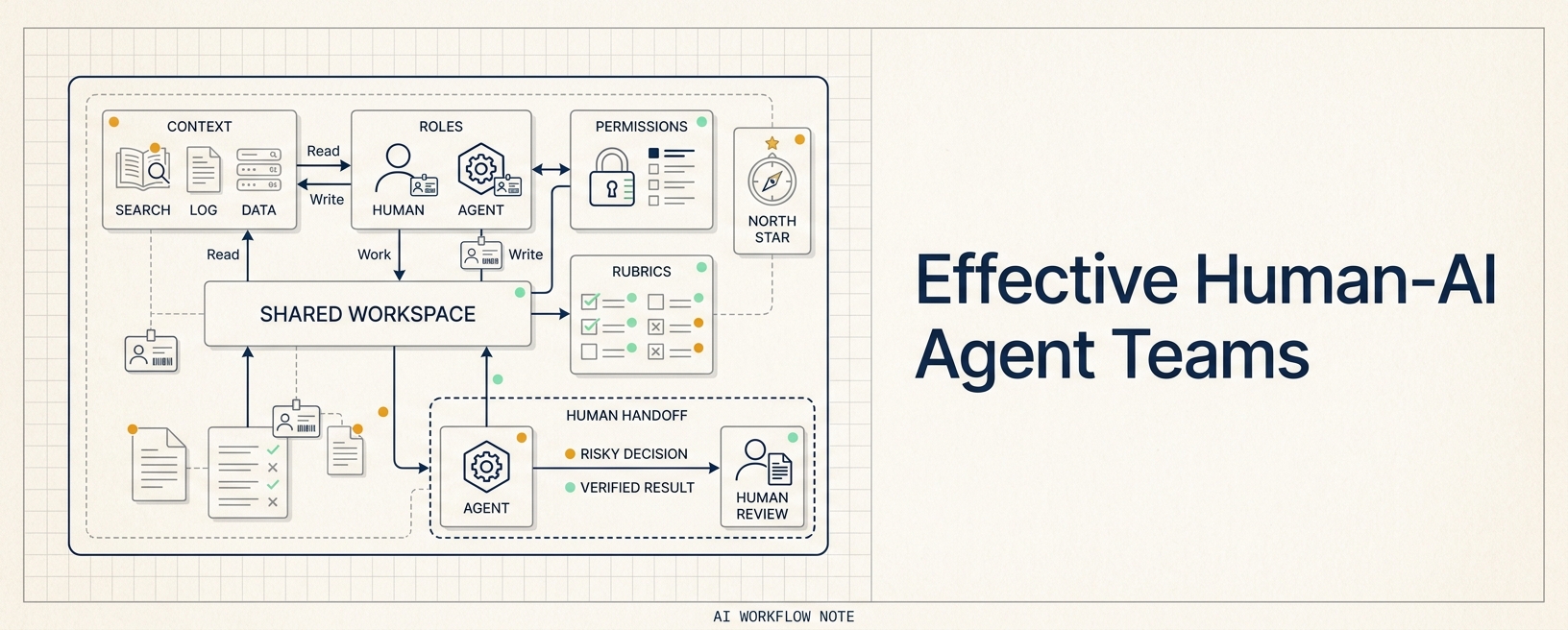
Working with AI used to mean one person talking to one assistant. The next shift is different: multiple humans and multiple agents working in the same workspace toward shared goals
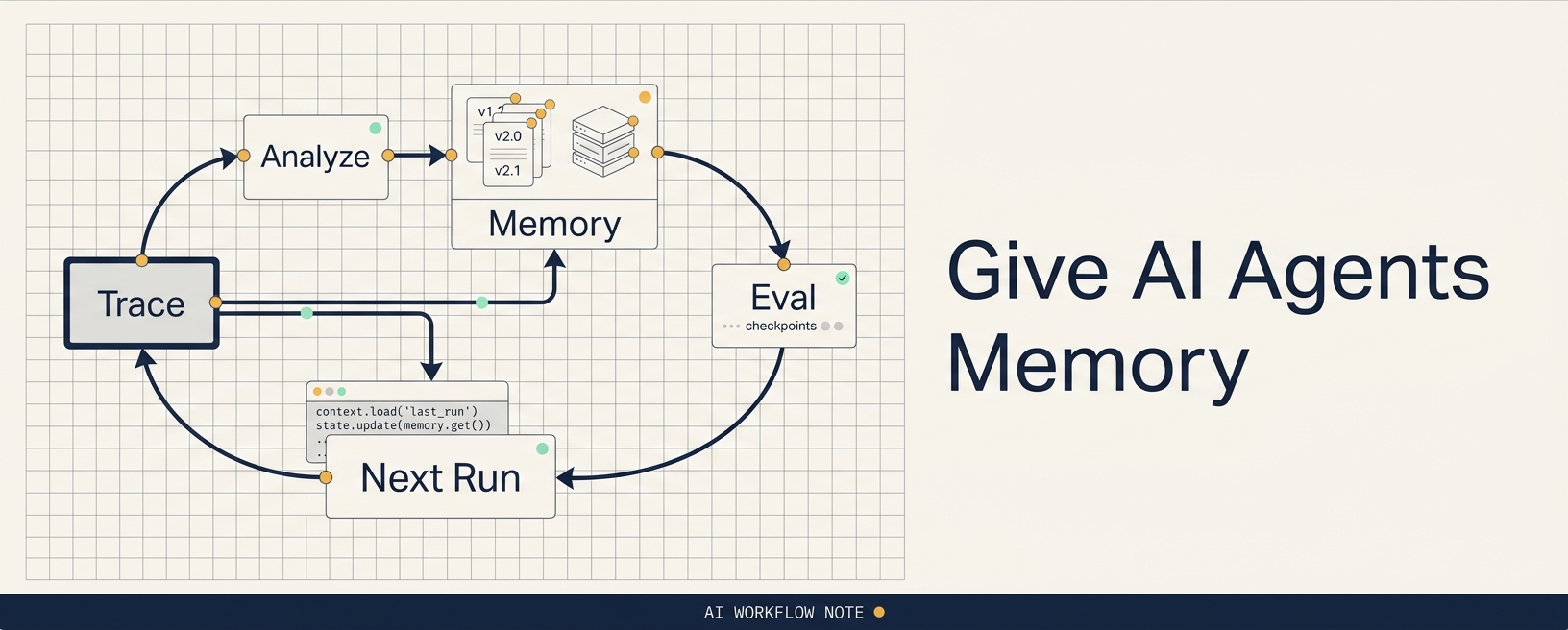
Many agent projects run into the same practical problem: the agent makes the same mistake again after the user has already corrected it.
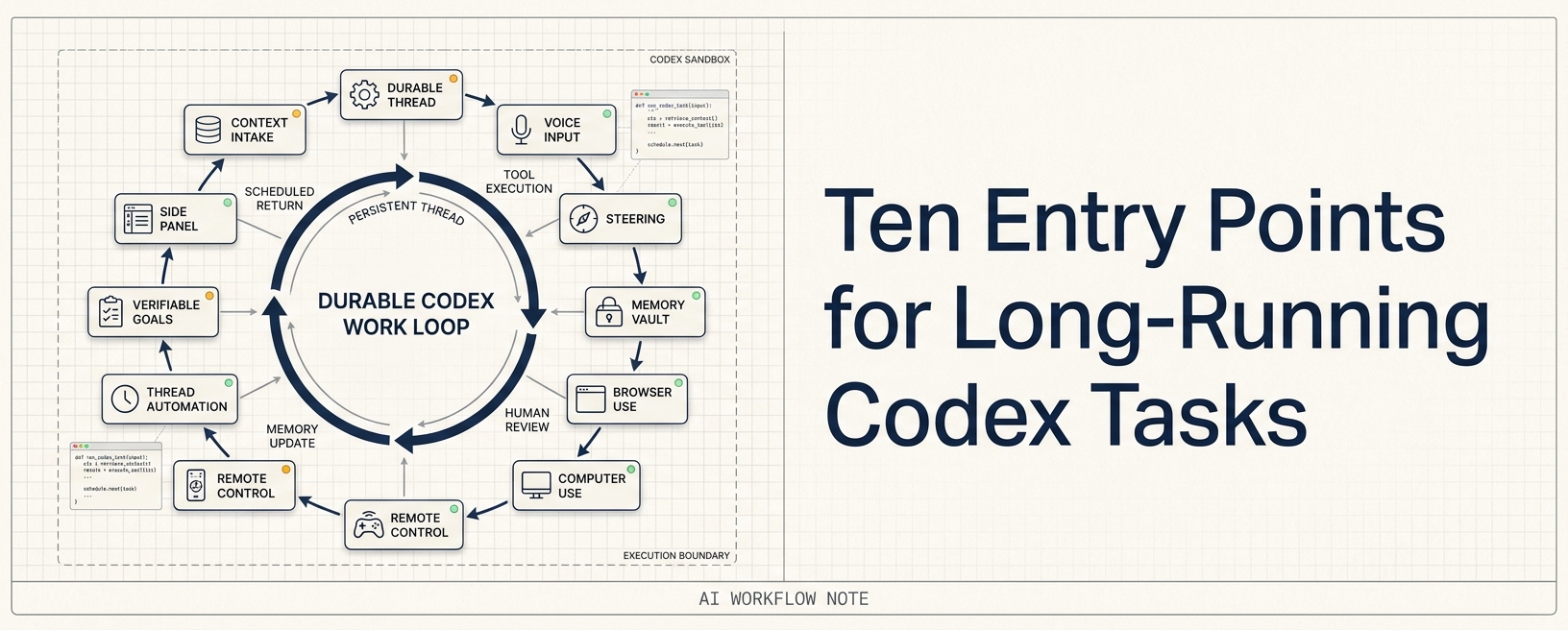
OpenAI's white paper "Codex-maxxing for long-running work" is less about a single coding trick and more about a working pattern: Codex becomes useful when a task has somewhere to l
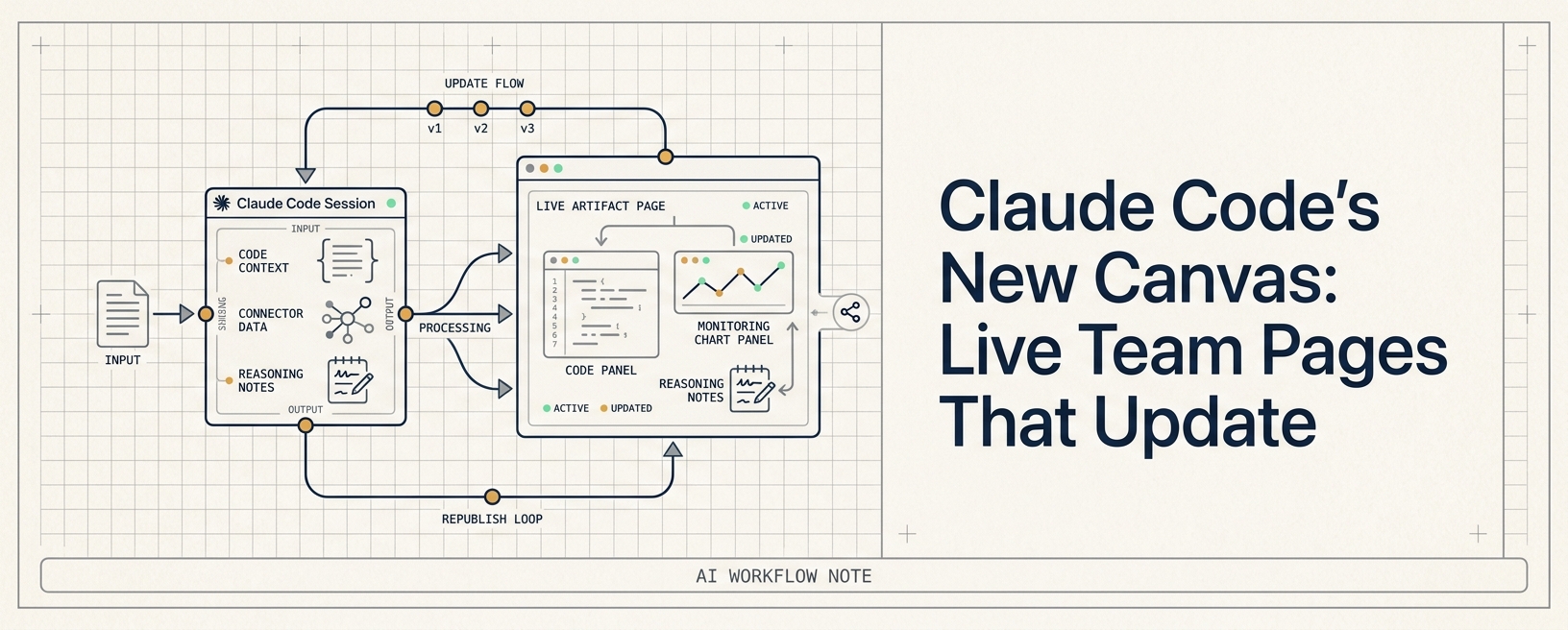
Claude Code artifacts turn an agent session into a page the team can open, inspect, and revisit.That matters because AI coding work often disappears into a chat transcript. A devel
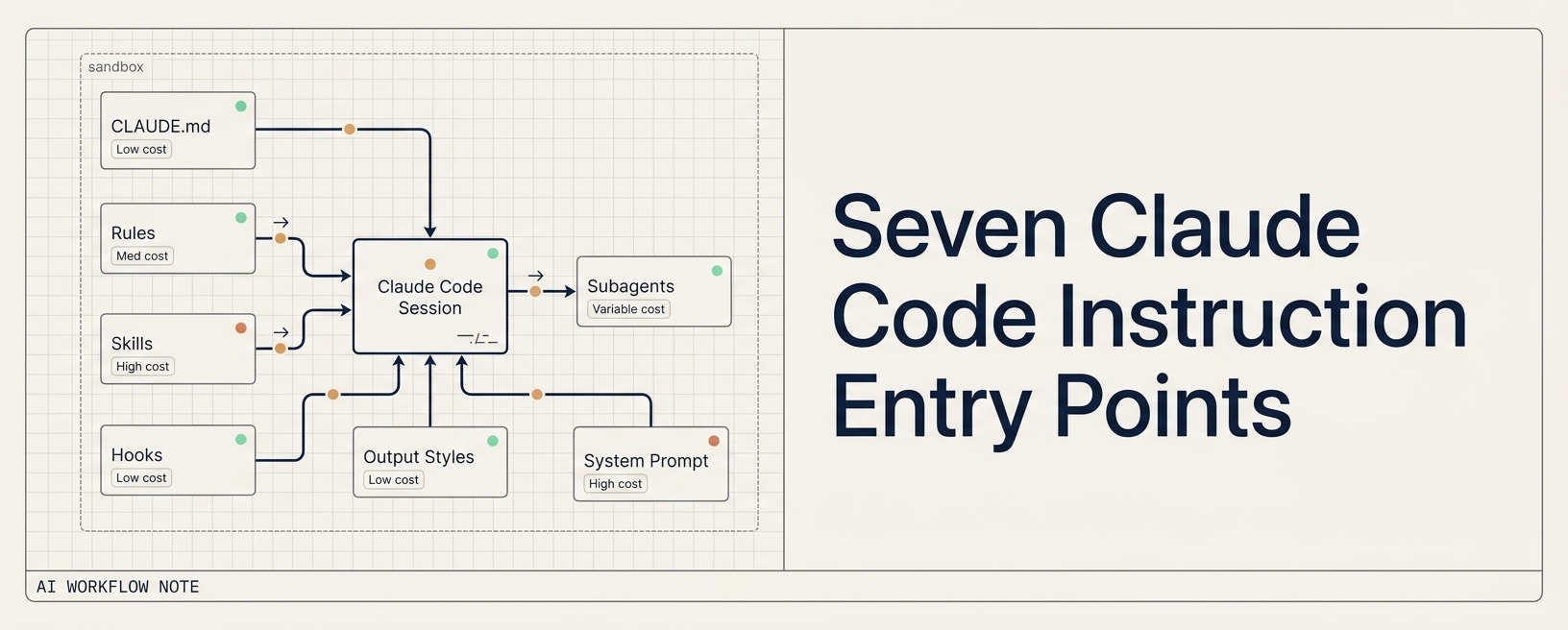
Teams often make Claude Code harder to steer by putting every instruction in one place. Build commands, release steps, file-specific rules, personal preferences, and security restr
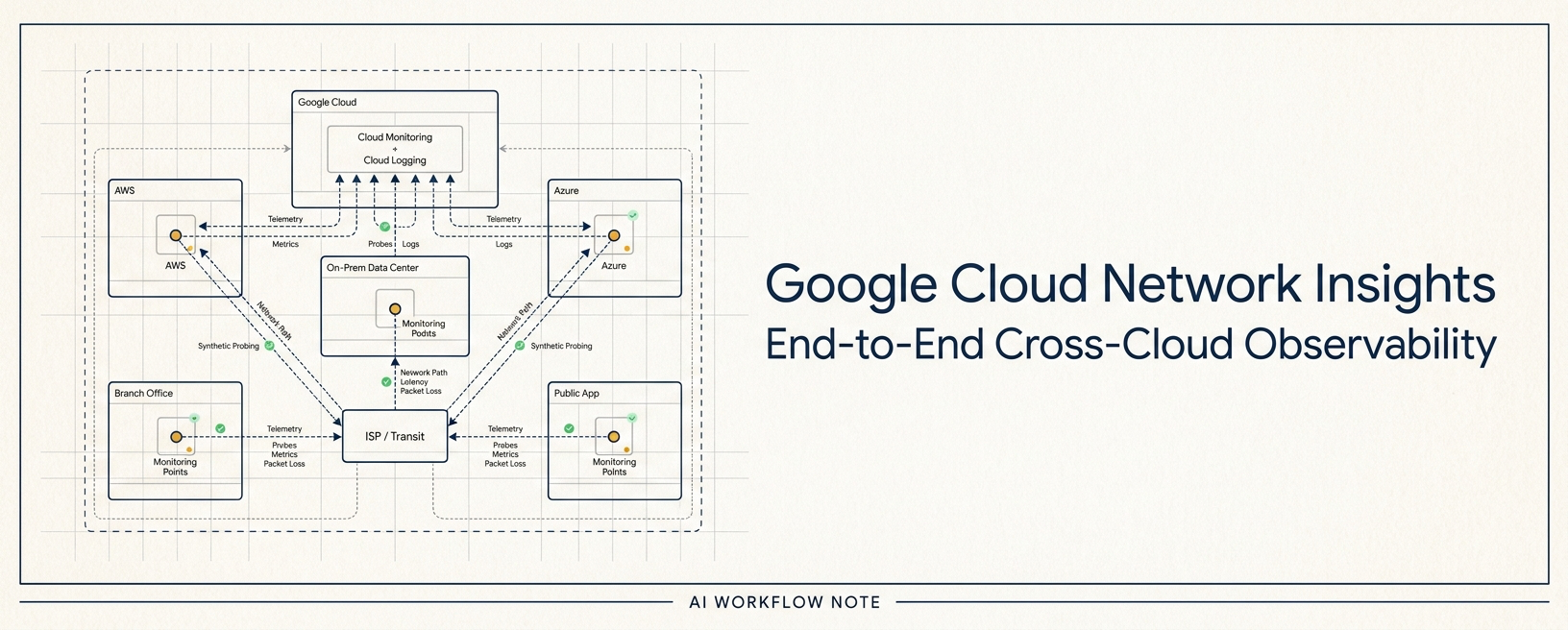
Google Cloud Network Insights uses active synthetic probing and Monitoring Points to make hybrid and multicloud network paths observable from source to destination.
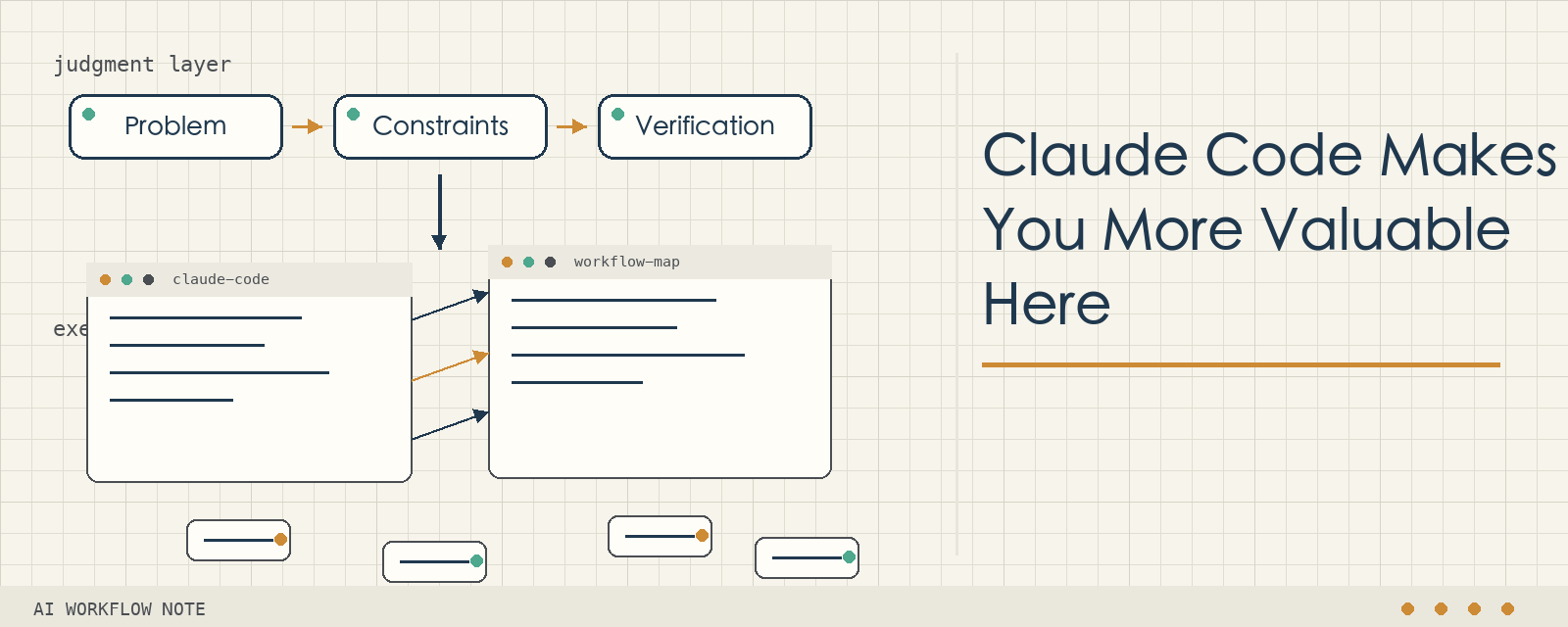
Claude Code is making domain judgment more valuable.That is the core takeaway from Anthropic Research's report, "Agentic coding and persistent returns to expertise." The report ana
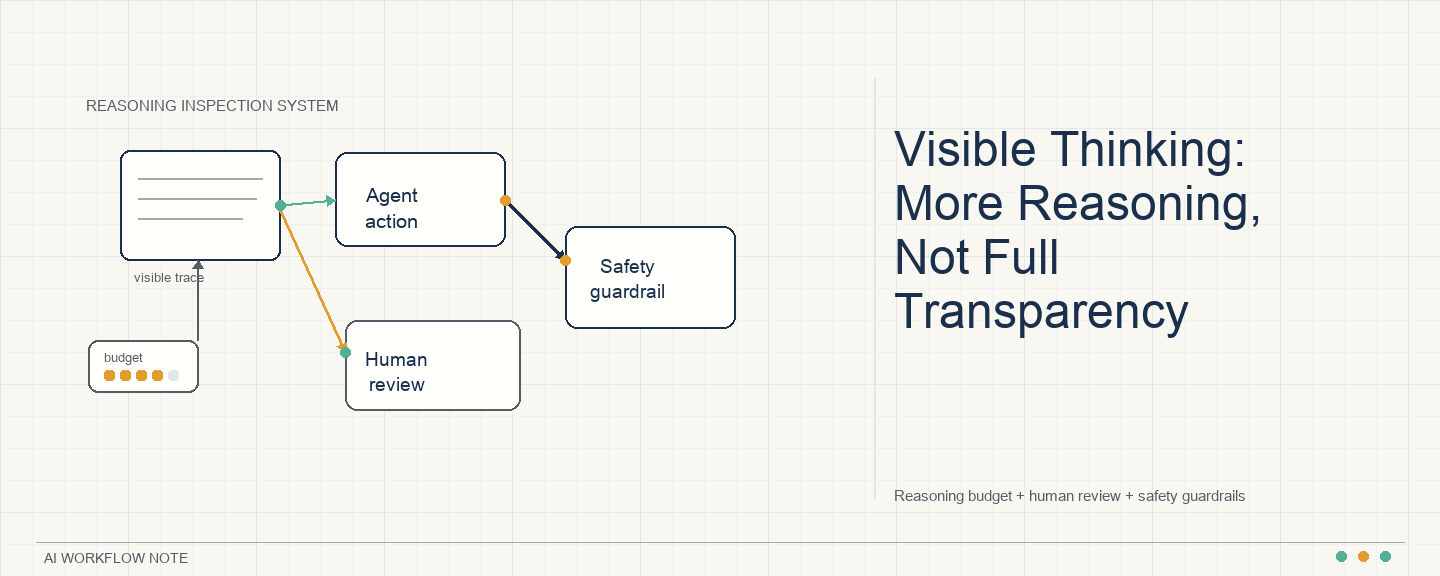
When Claude shows its reasoning, the tempting interpretation is simple: now we can see how the model thinks.That interpretation is too strong.
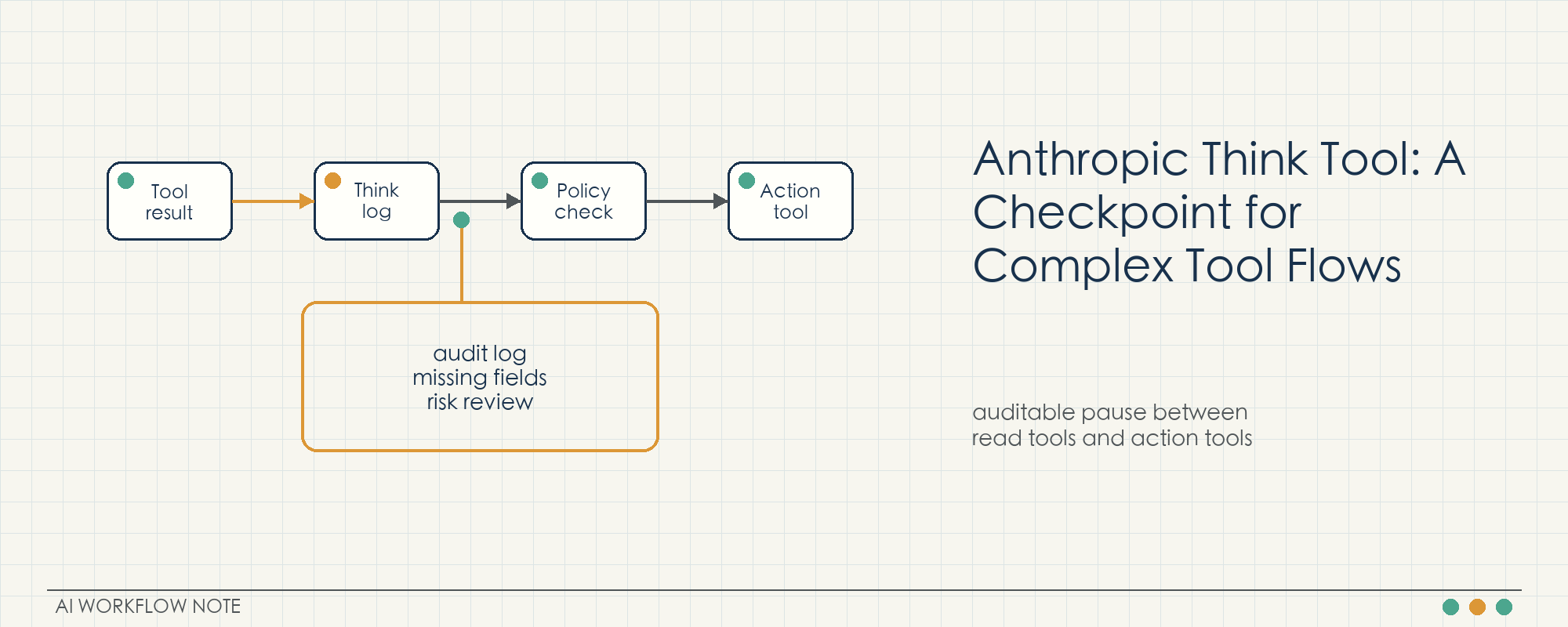
An agent that can call tools is not automatically reliable. The hard part often appears between two tool calls: the model receives a tool result, interprets it, applies policies, a
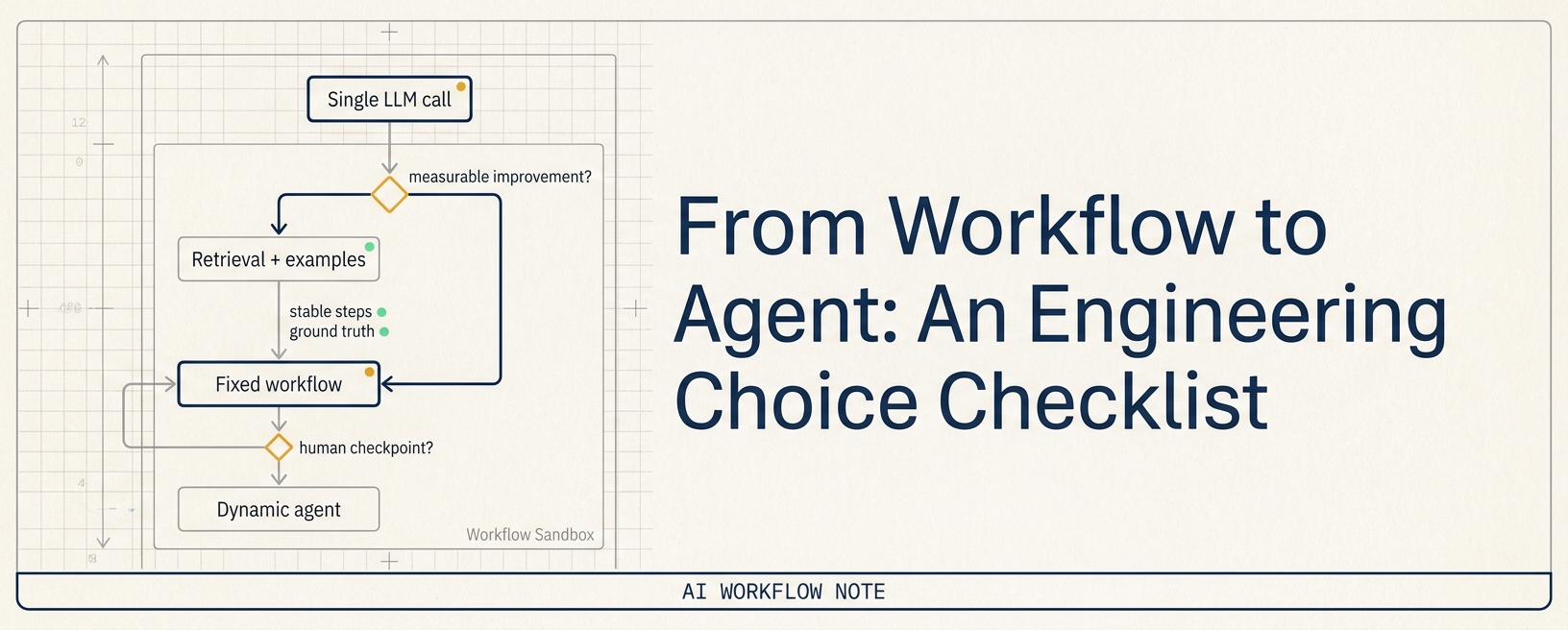
Many teams start an agent project by choosing a framework and wiring together tools, memory, planning, and an execution loop. The system looks complete, but the first real debuggin
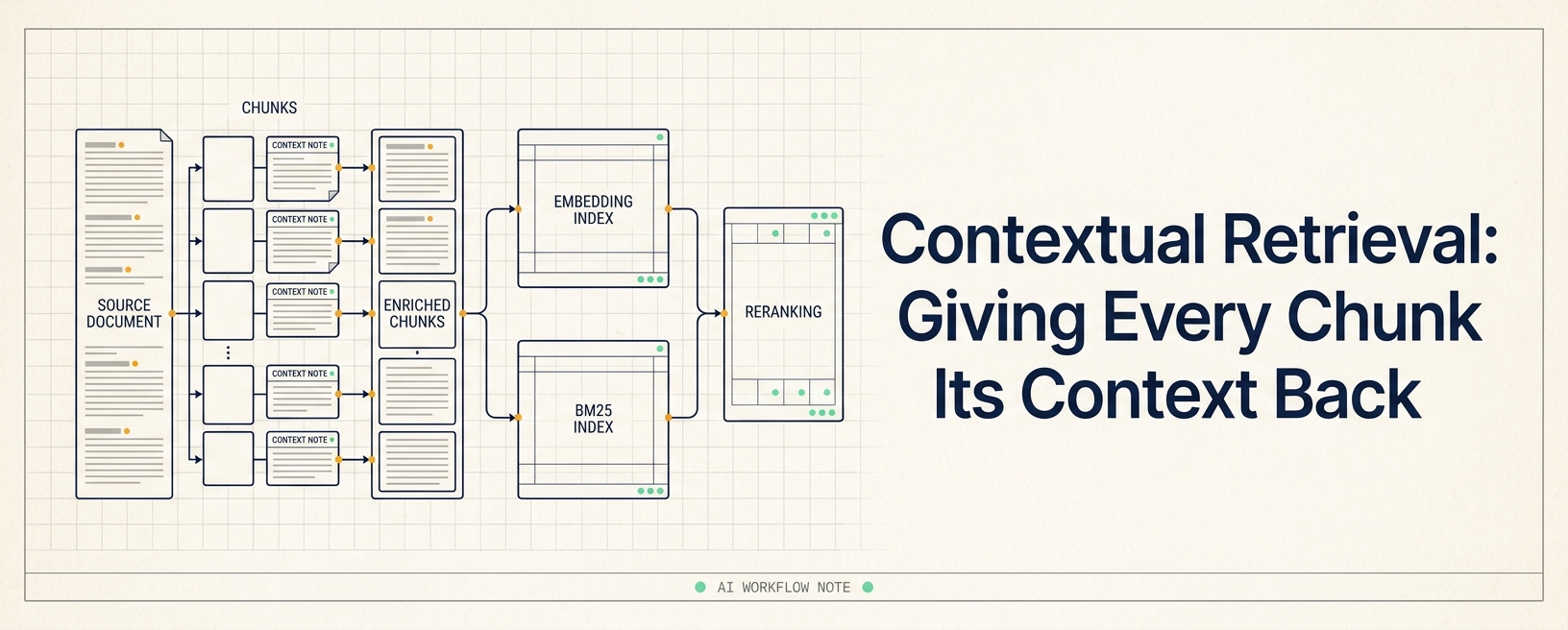
Many RAG systems fail before the generation model starts writing. The system retrieves the wrong chunks, or it retrieves chunks that look relevant but lack the surrounding informat
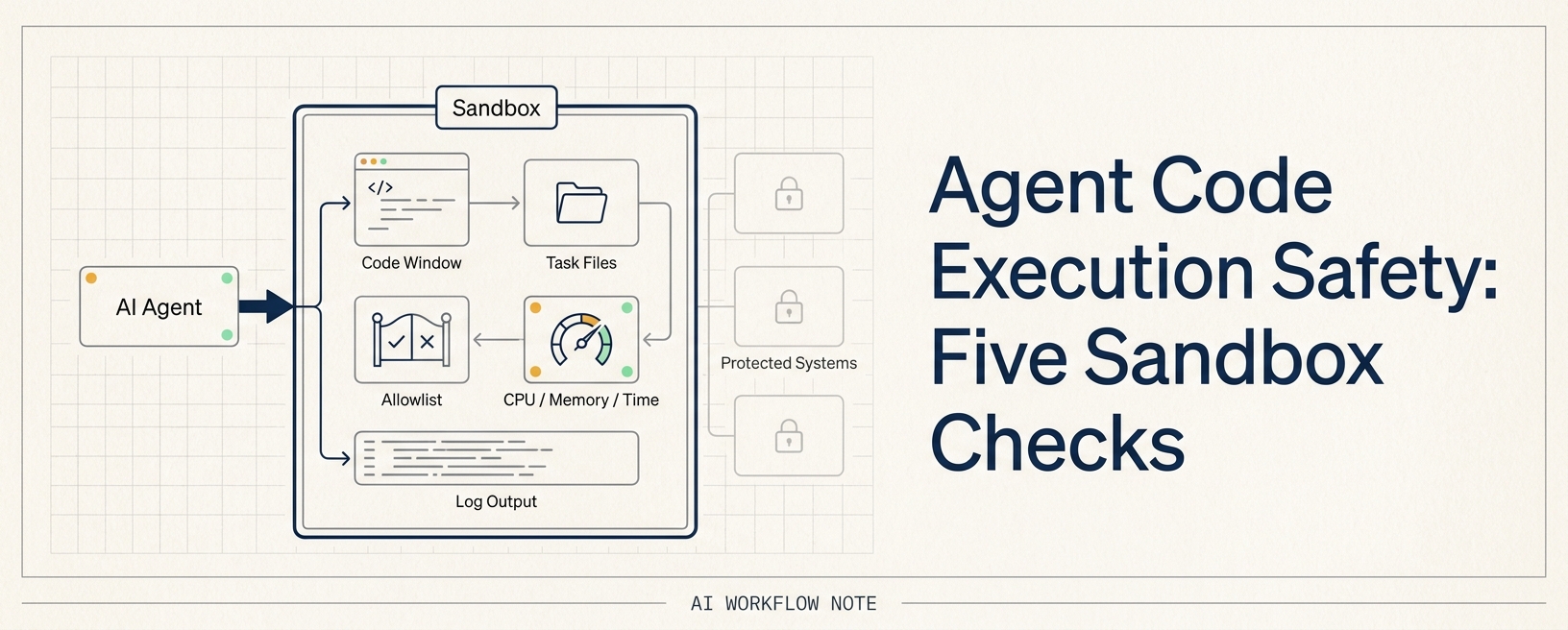
AI agents become much more useful when they can take action. One of the most valuable actions is code execution: writing a small script, running a data transformation, inspecting f
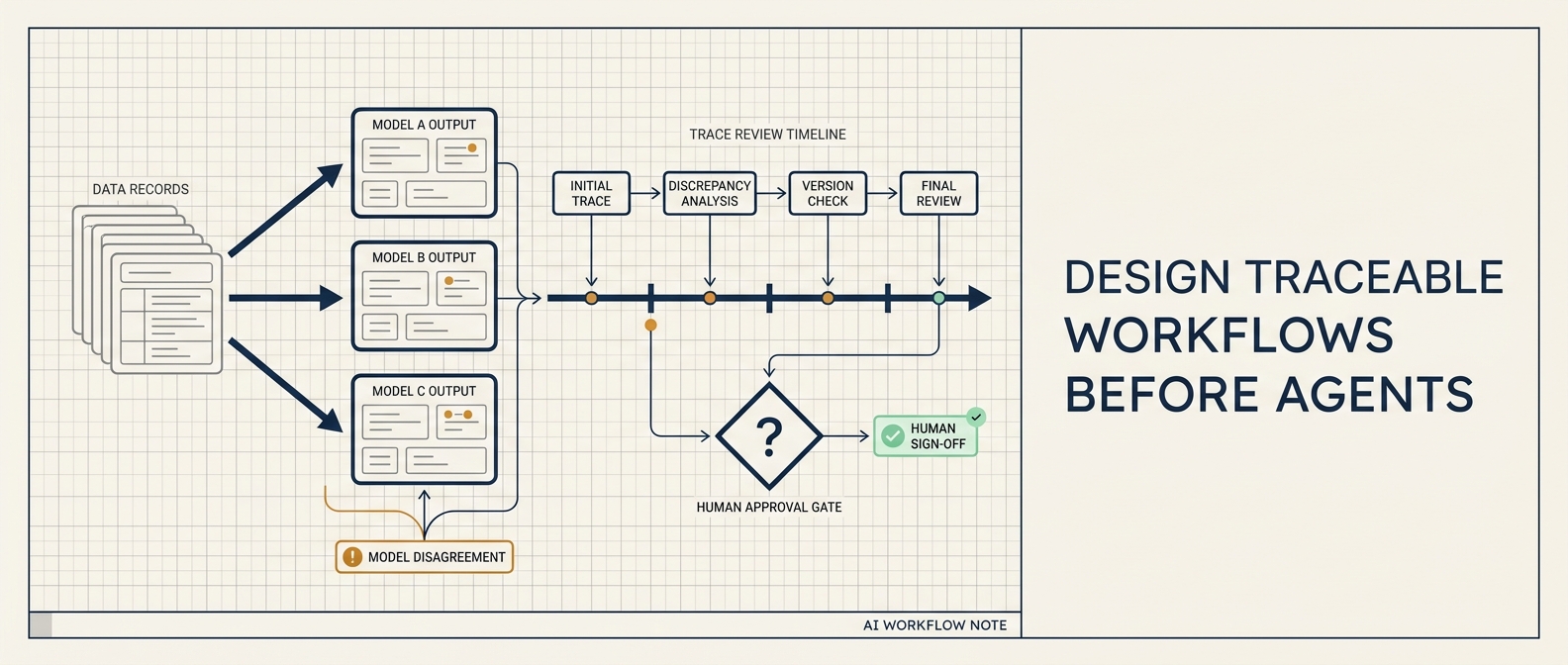
Scientific agents are hard to build with a single stronger model.Benchling's recent conversation with LangChain points to a more useful answer: production AI systems need to know w
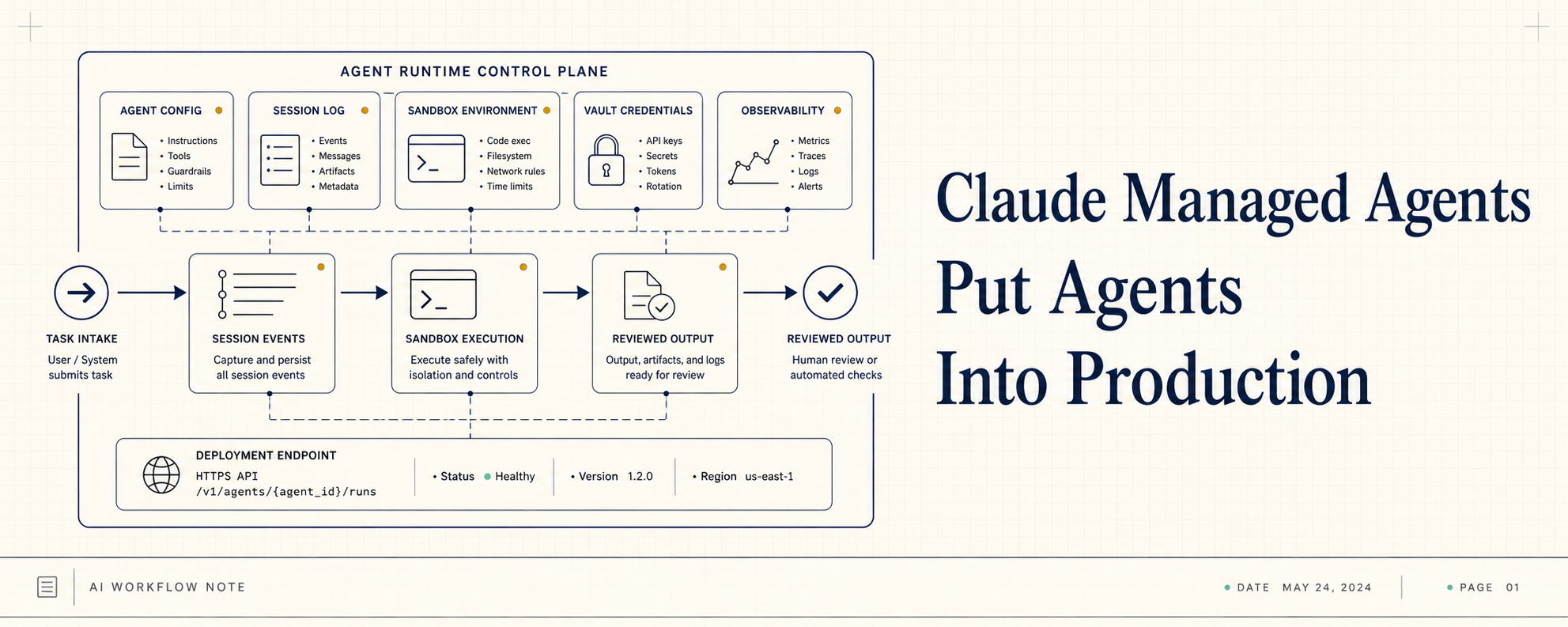
Many teams start agent work by choosing a model and wiring tools into it.That is a useful starting point. But Claude Managed Agents points to a deeper production problem: an agent
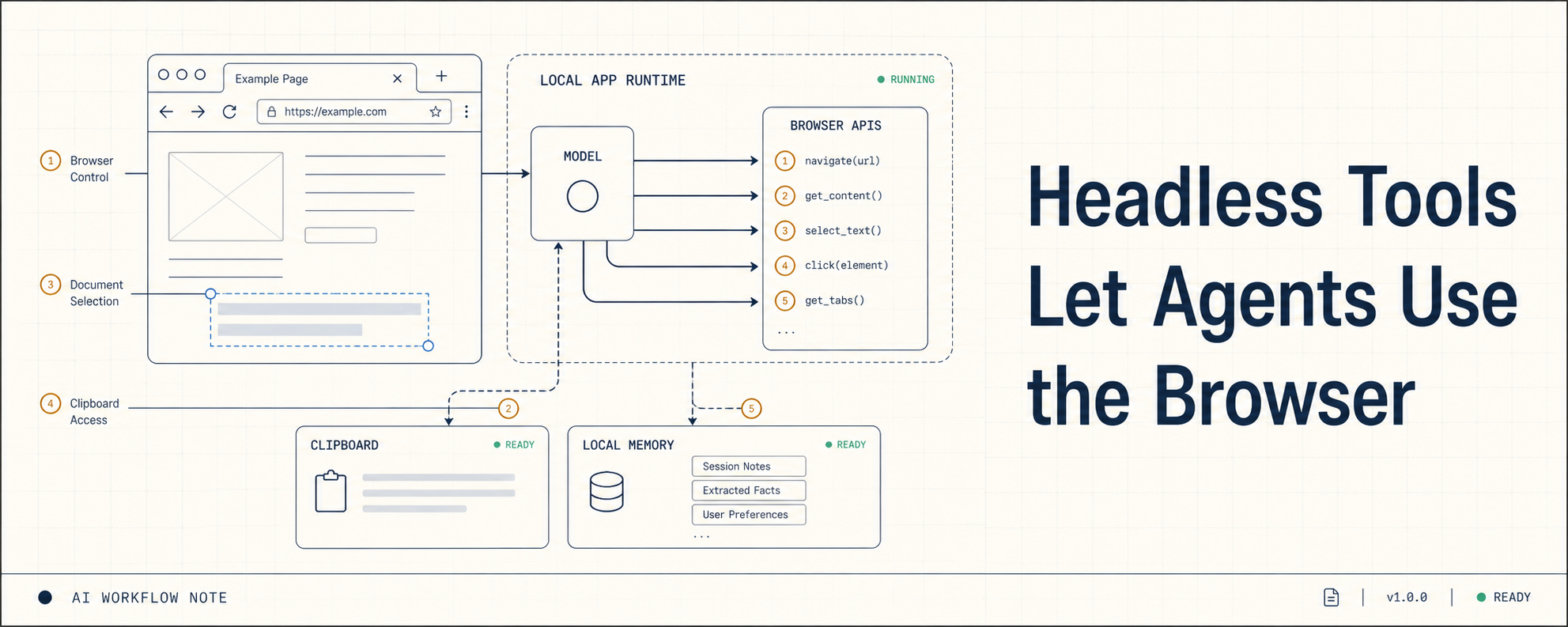
Most agent systems start with a familiar question: what tools should the model call?Teams connect databases, internal APIs, ticketing systems, CRMs, knowledge bases, and MCP server
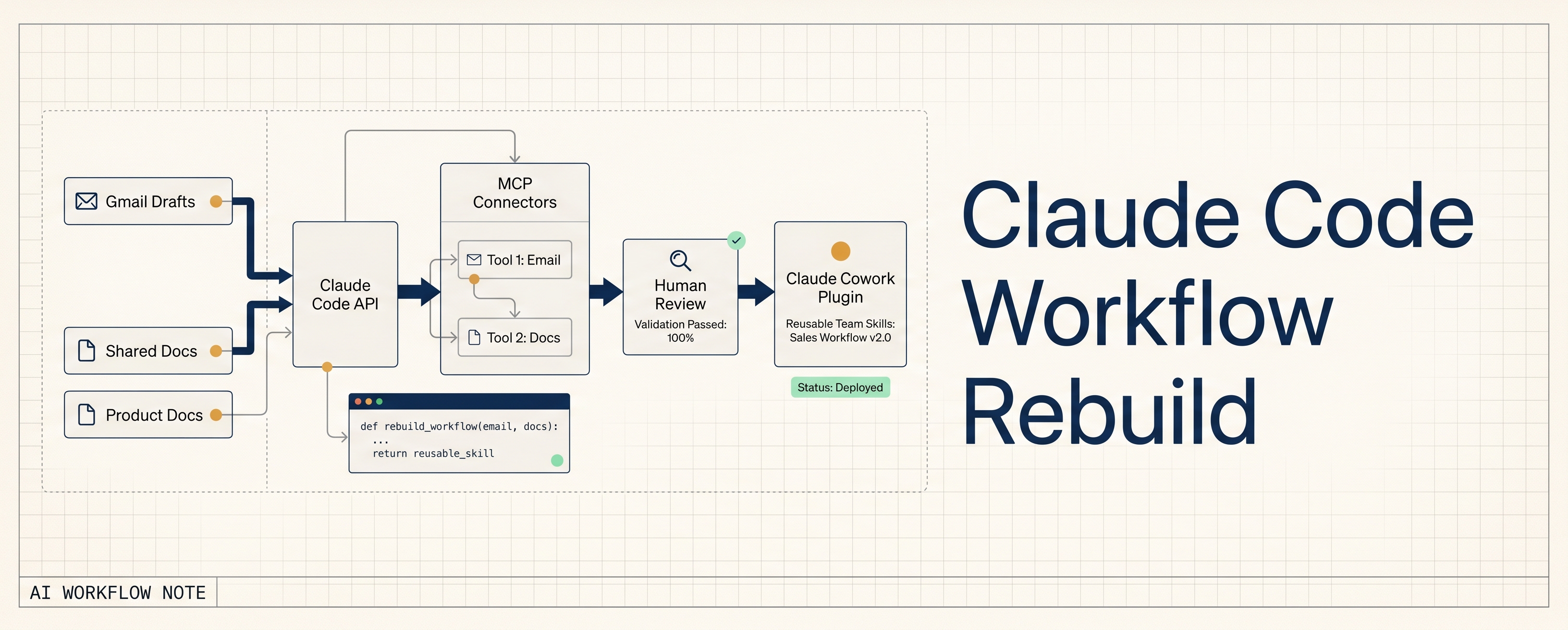
Many teams talk about using AI to redesign business operations. The useful starting point in this Anthropic story is much smaller: find one task that happens every day, consumes ho
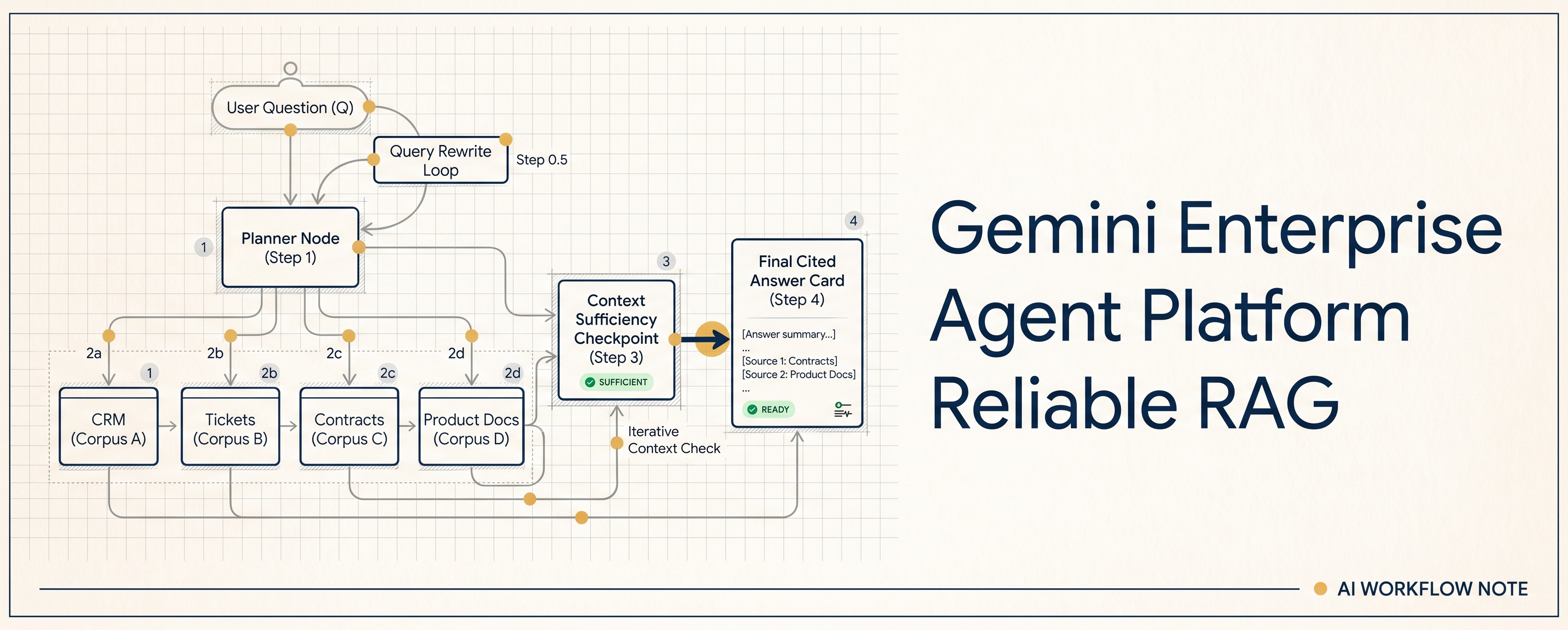
Google Research published an experiment around Agentic RAG in Gemini Enterprise Agent Platform. The useful signal is not a generic "RAG is getting better" story. It is more specifi
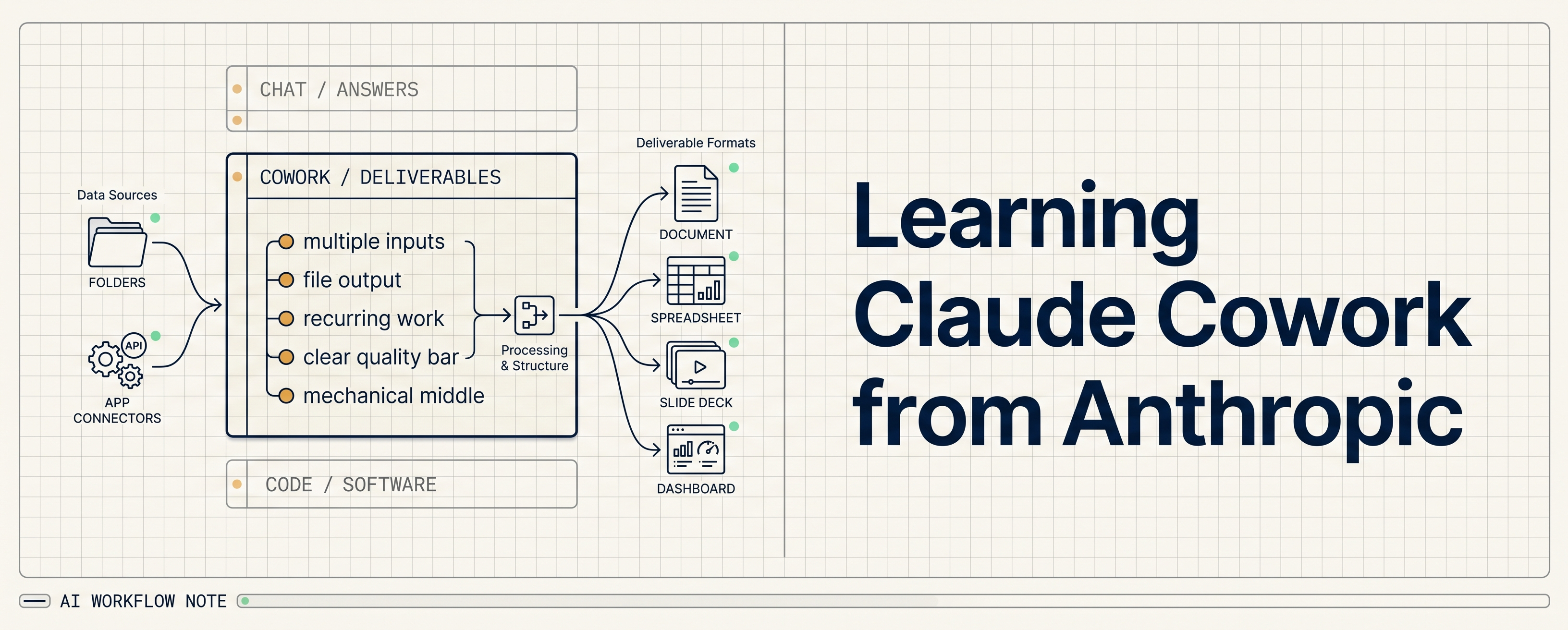
Many teams already know how to use an AI chat window. They paste in a question, get an answer, copy the answer somewhere else, rewrite it, and then move it back into the real work
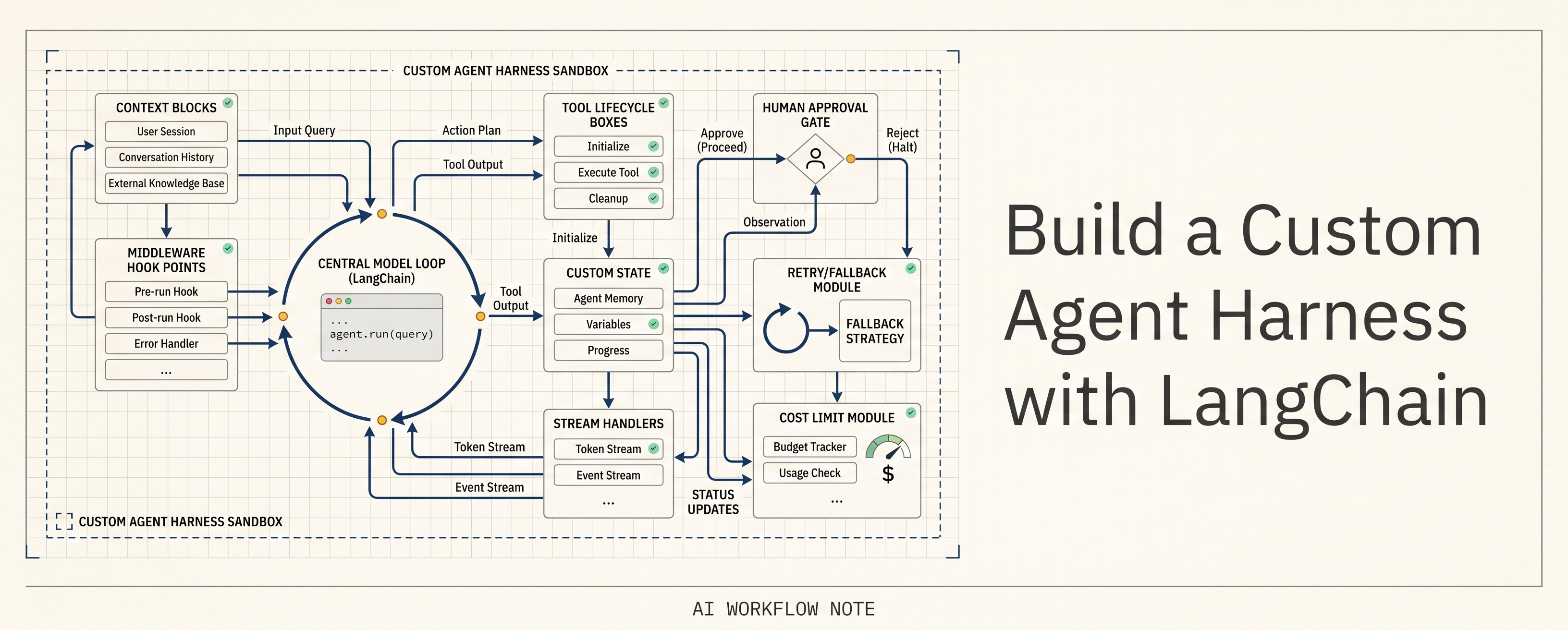
Many agent prototypes start the same way: give a model a system prompt, register a few tools, and let the model call those tools in a loop until it returns a result. That can work
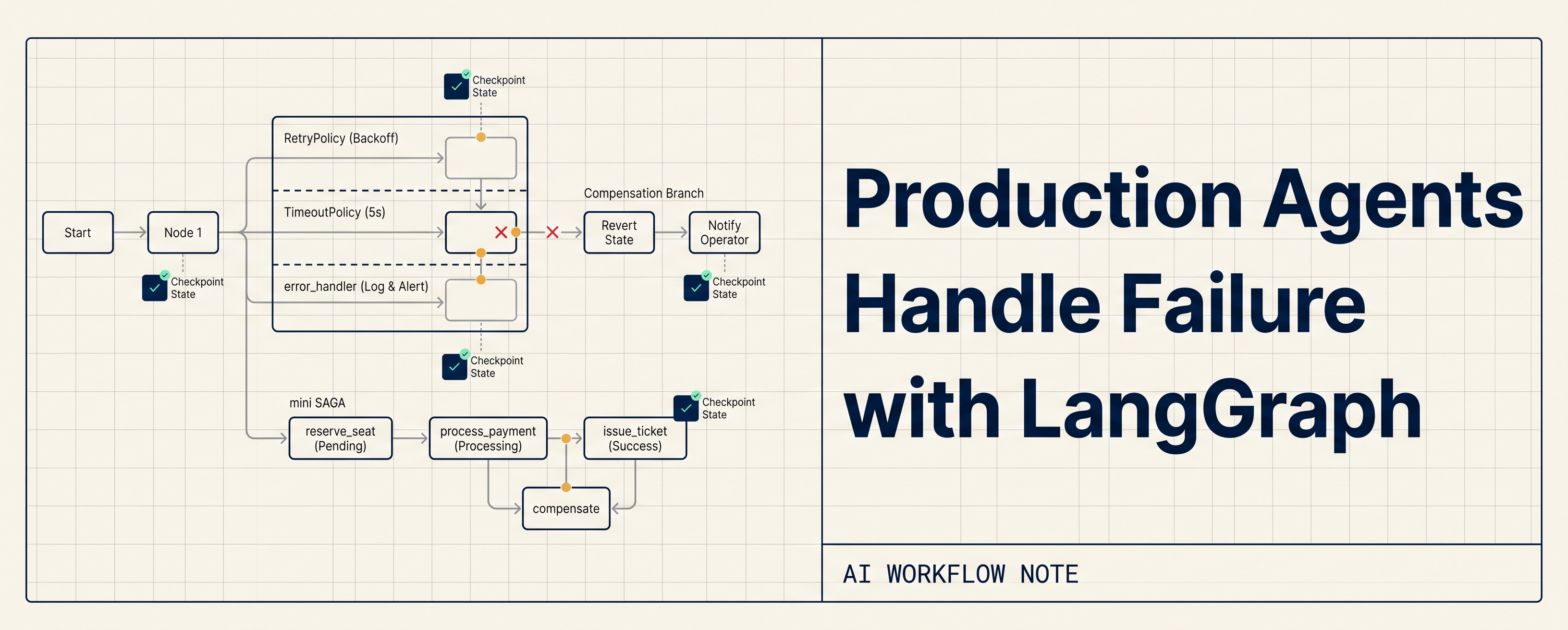
Production agents fail in places prototypes rarely cover: network calls, tool execution, LLM rate limits, frozen subprocesses, and external systems that only partially complete an
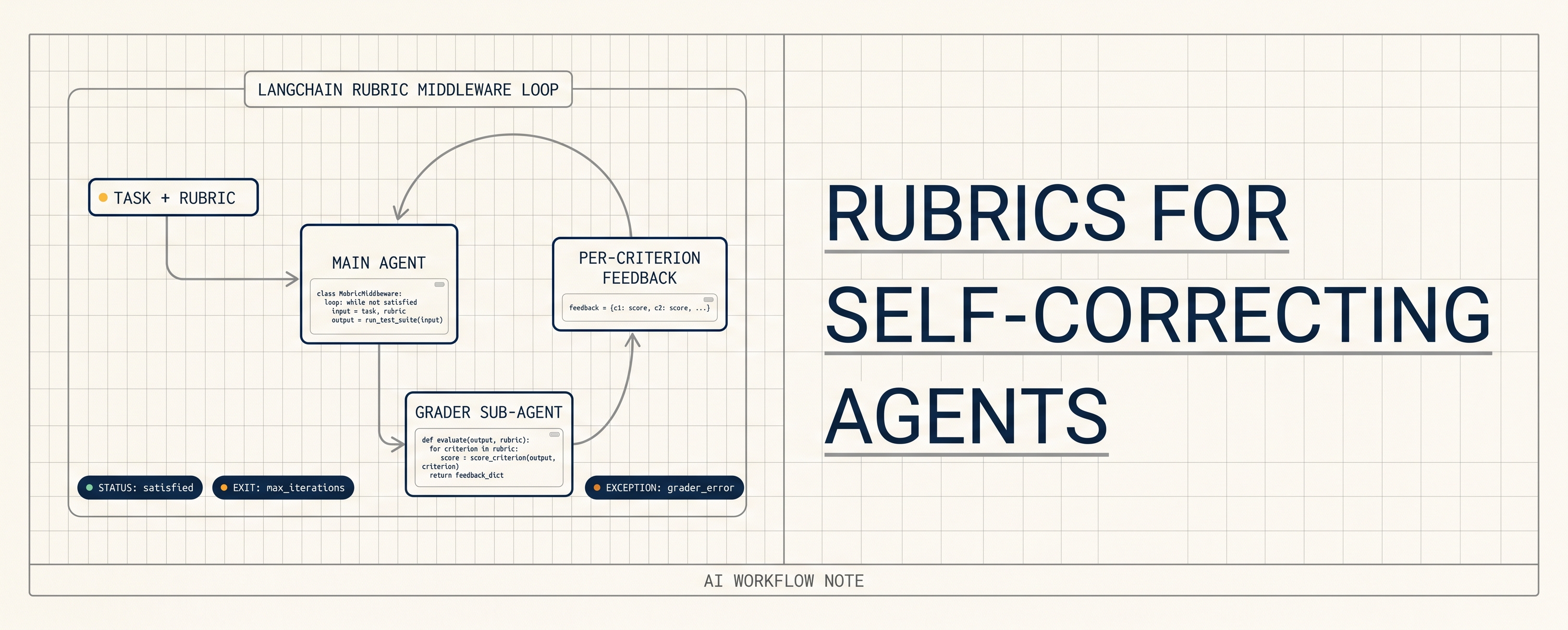
LangChain RubricMiddleware turns agent self-correction into a bounded grader loop with explicit criteria, tool-backed evidence, and per-criterion feedback.
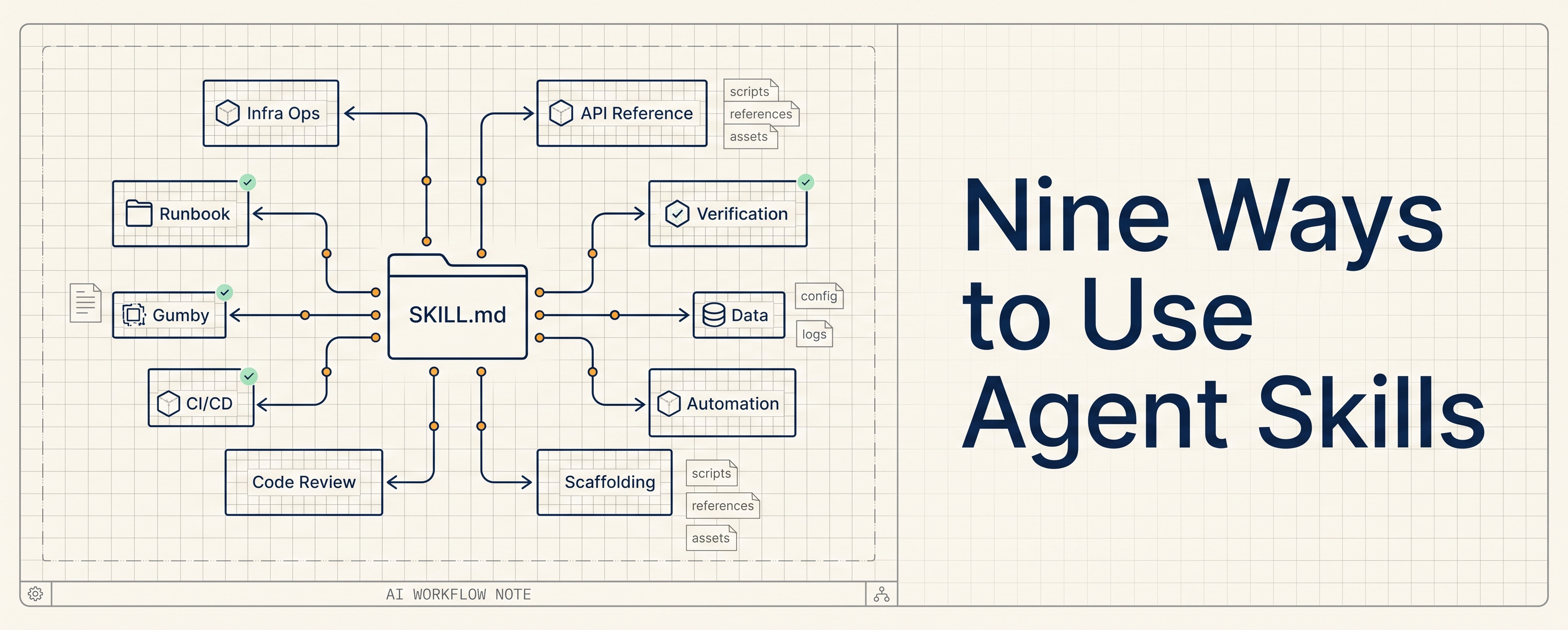
Many teams start using coding agents and quickly run into the same problem: one-off tasks work, but experience does not compound. Every investigation, deployment, review, or verifi
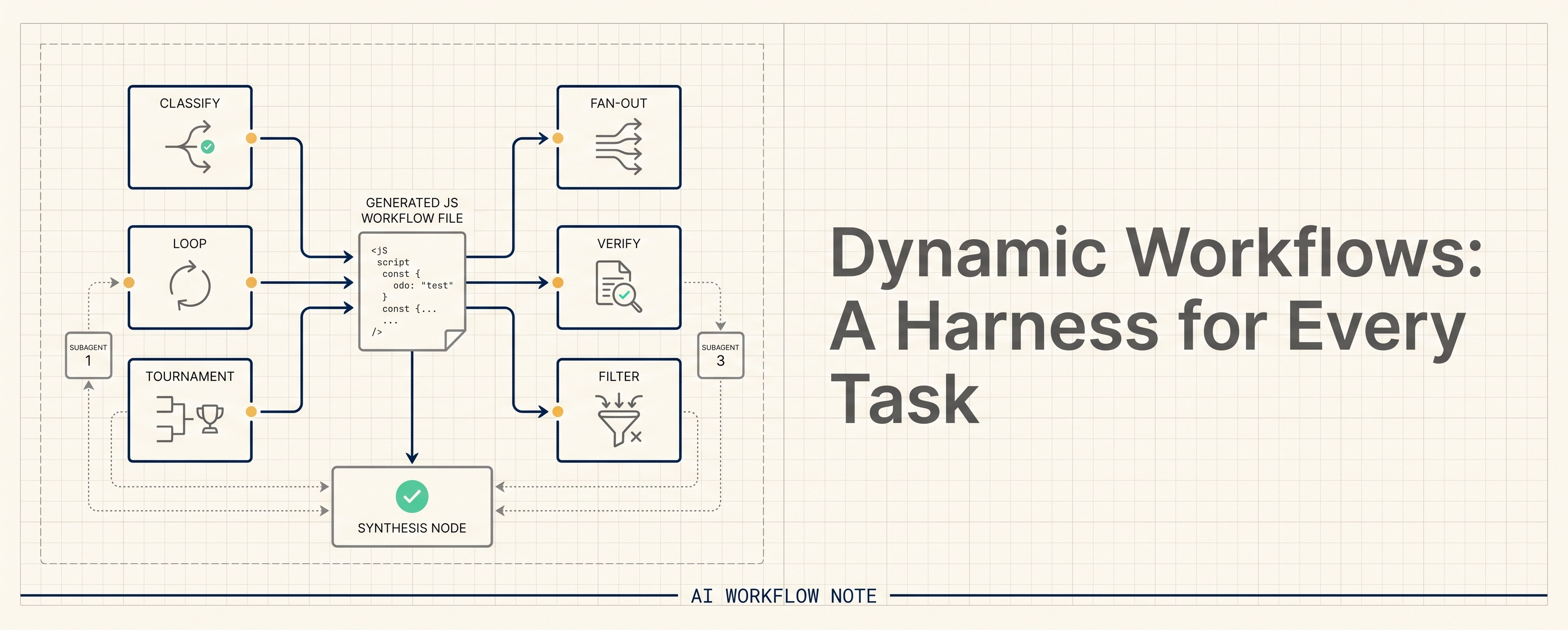
Claude Code now supports dynamic workflows: task-specific JavaScript workflows that can spawn and coordinate subagents, choose models, use isolated worktrees, verify outputs, and s
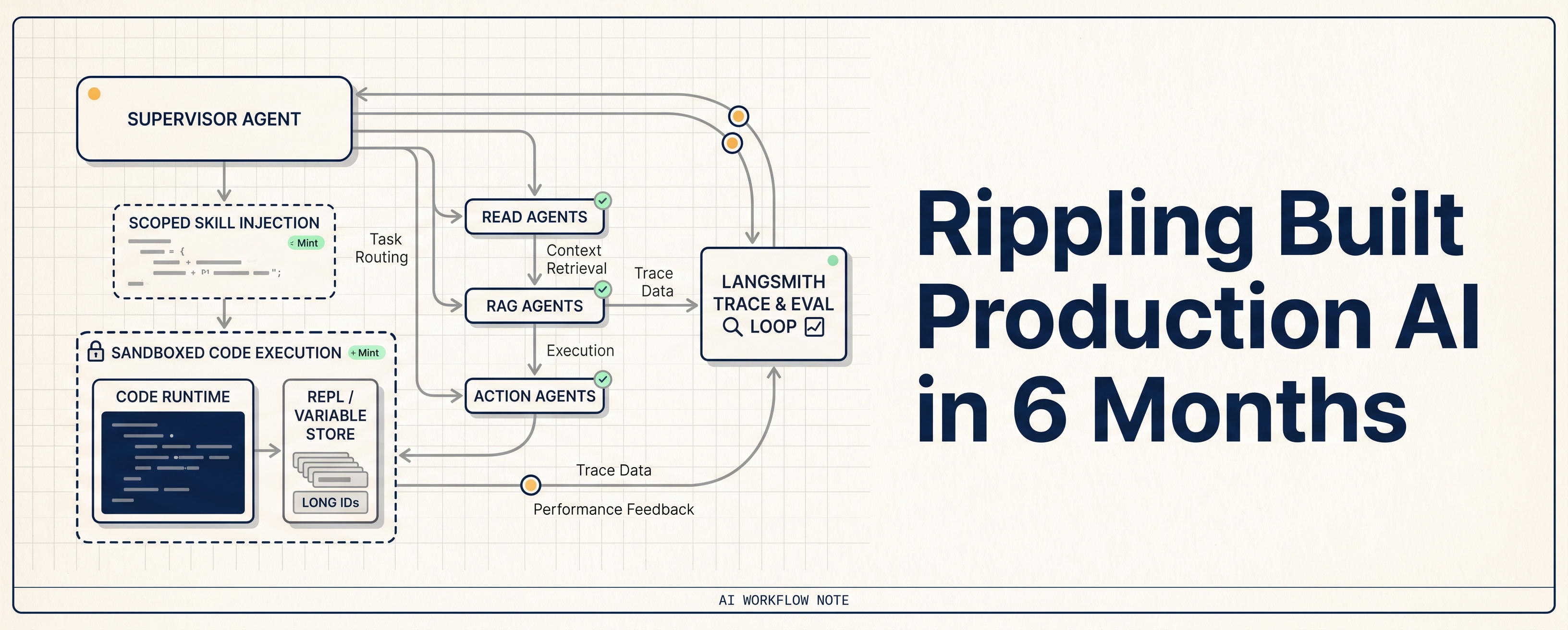
Rippling's production AI system is a useful case study because the hard part is not the chat interface. The hard part is running an agent across HR, IT, payroll, finance, global op
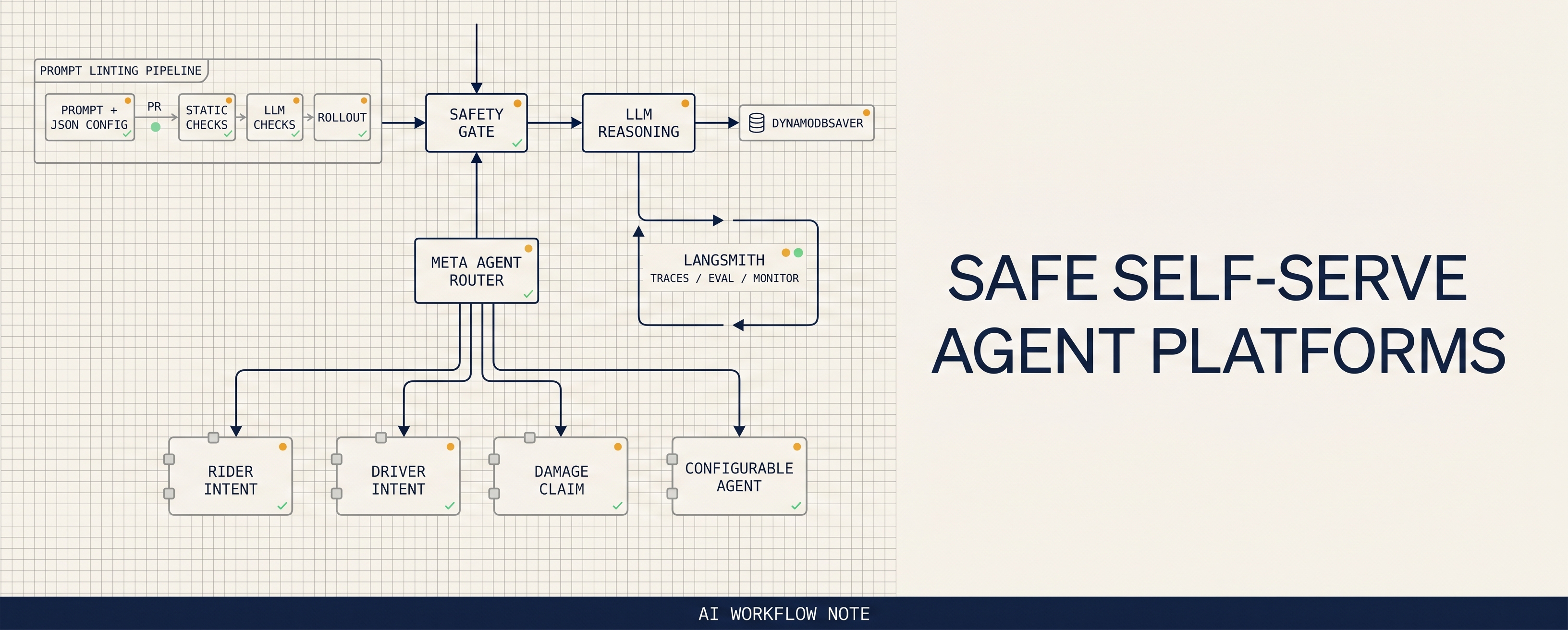
Lyft's LangChain guest post is useful because it focuses on a production problem: how to let non-technical domain experts build and iterate customer support agents without removing
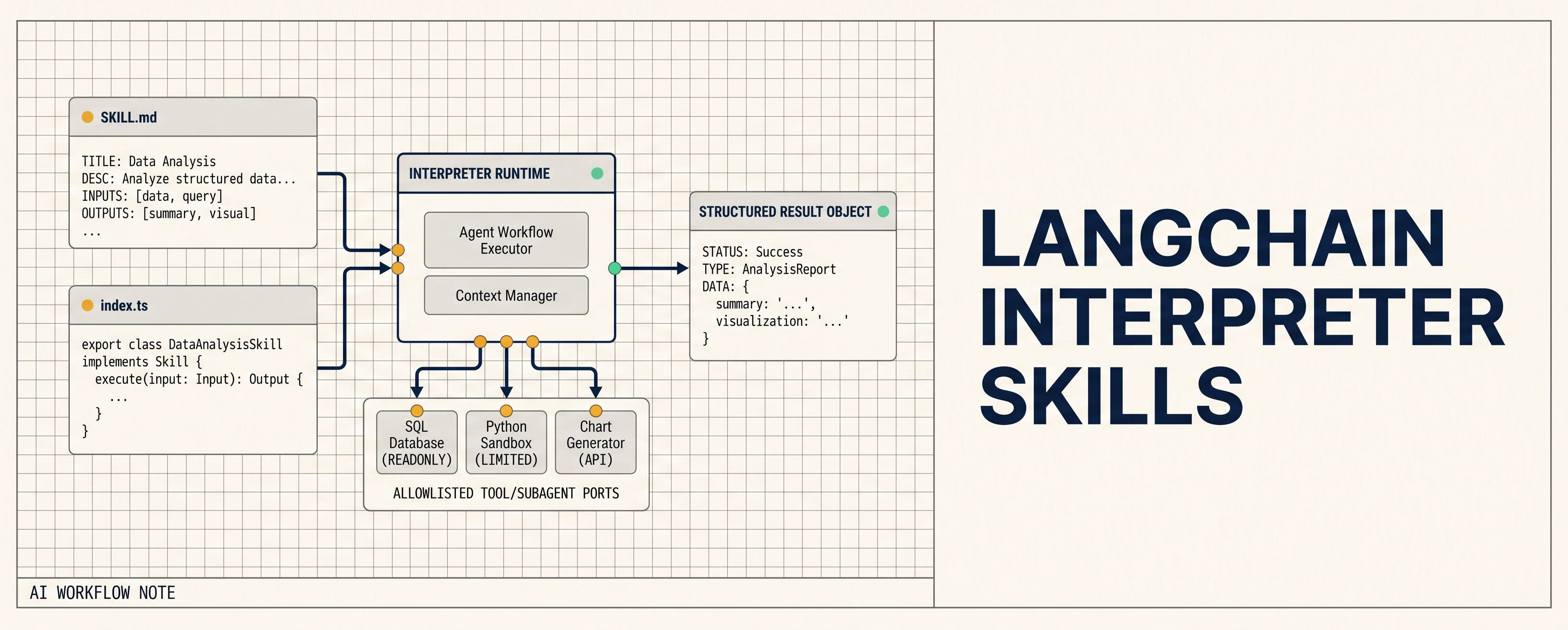
Interpreter skills are an attempt to solve a common agent engineering problem: prompts can describe a procedure, but they do not guarantee the agent will run the same procedure eve
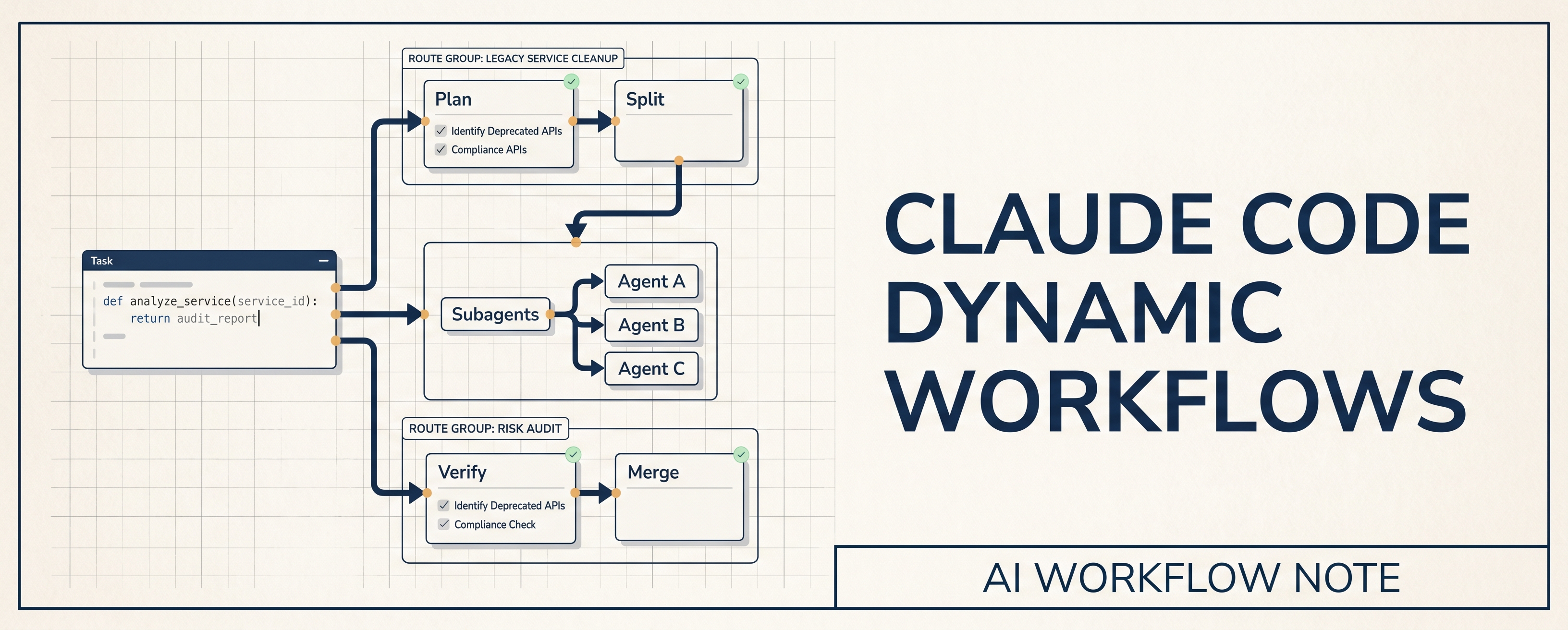
Claude Code dynamic workflows are best understood as a way to turn a large engineering task into a temporary team of coordinated agents.
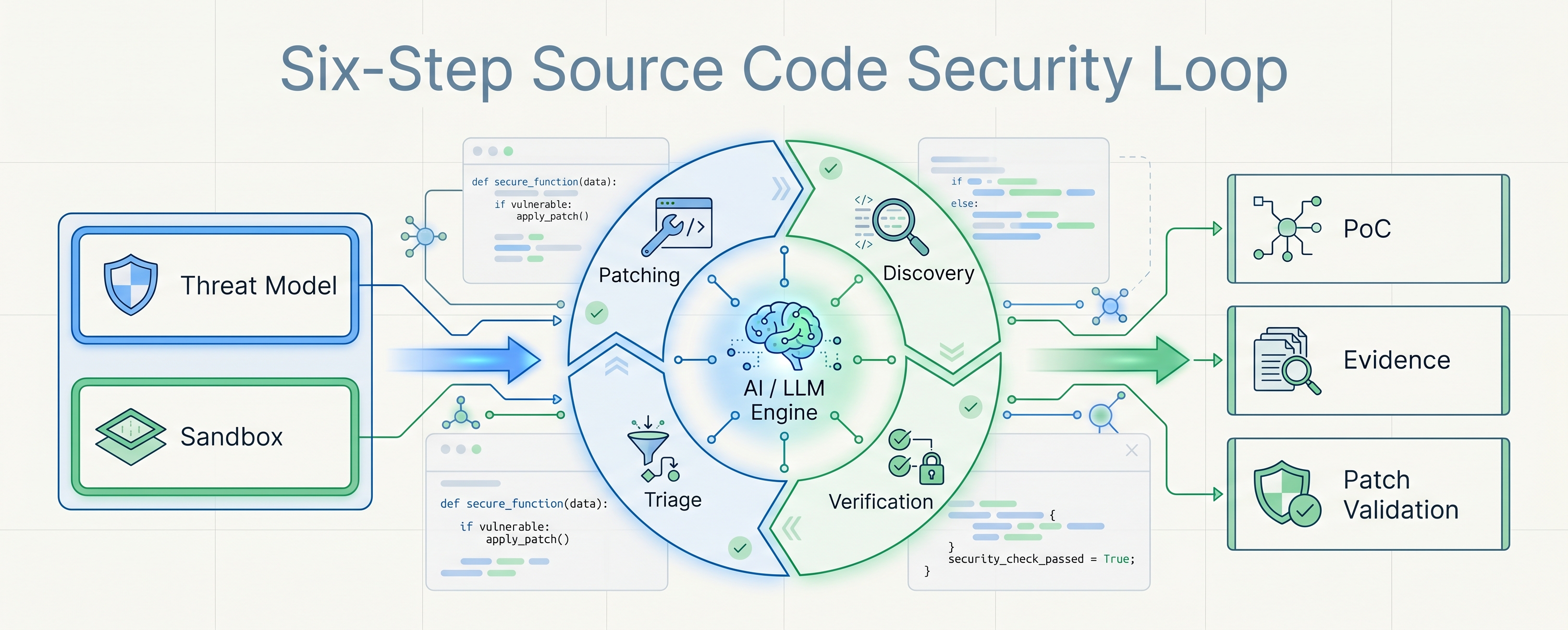
LLMs can now help security teams read code, identify suspicious paths, draft proof-of-concept exploits, and suggest patches. The harder question is no longer only how to find more
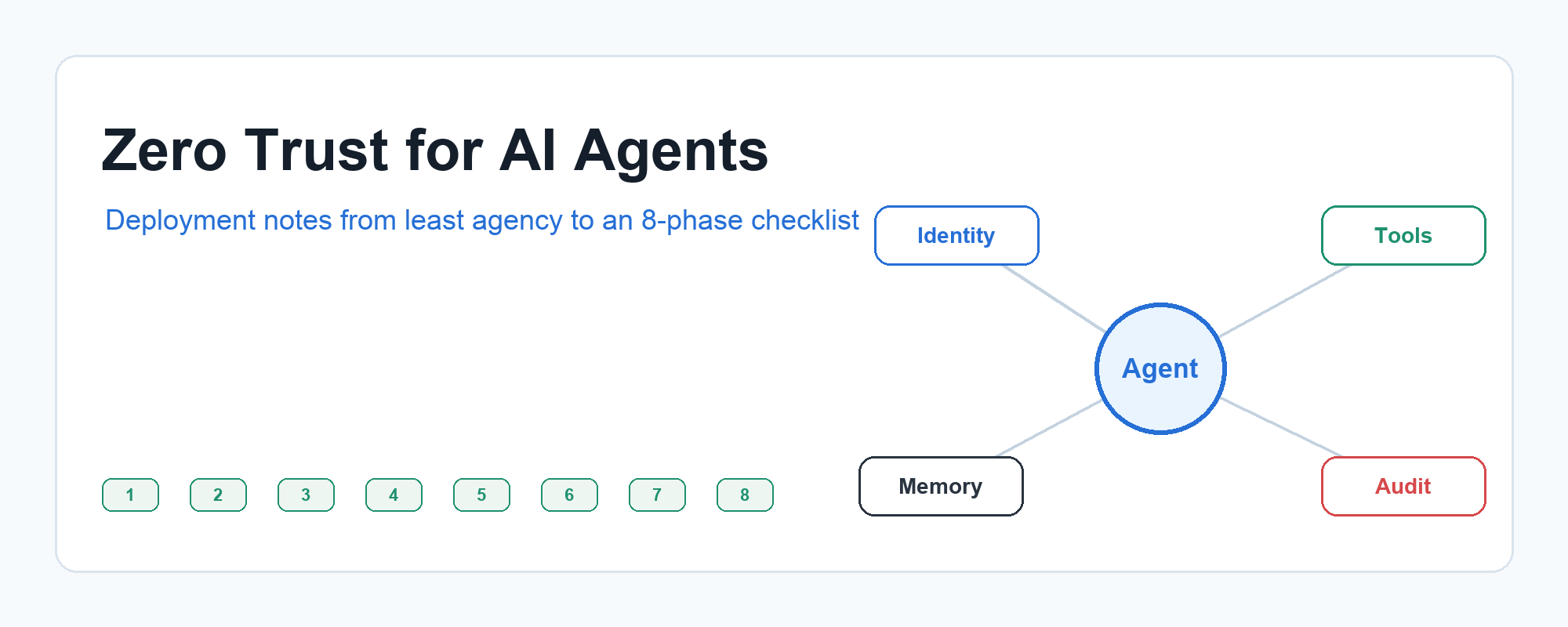
Anthropic's "Zero Trust for AI Agents" PDF is best read as a practical learning document, not as a short product announcement. The blog post is brief, but the PDF lays out a full f
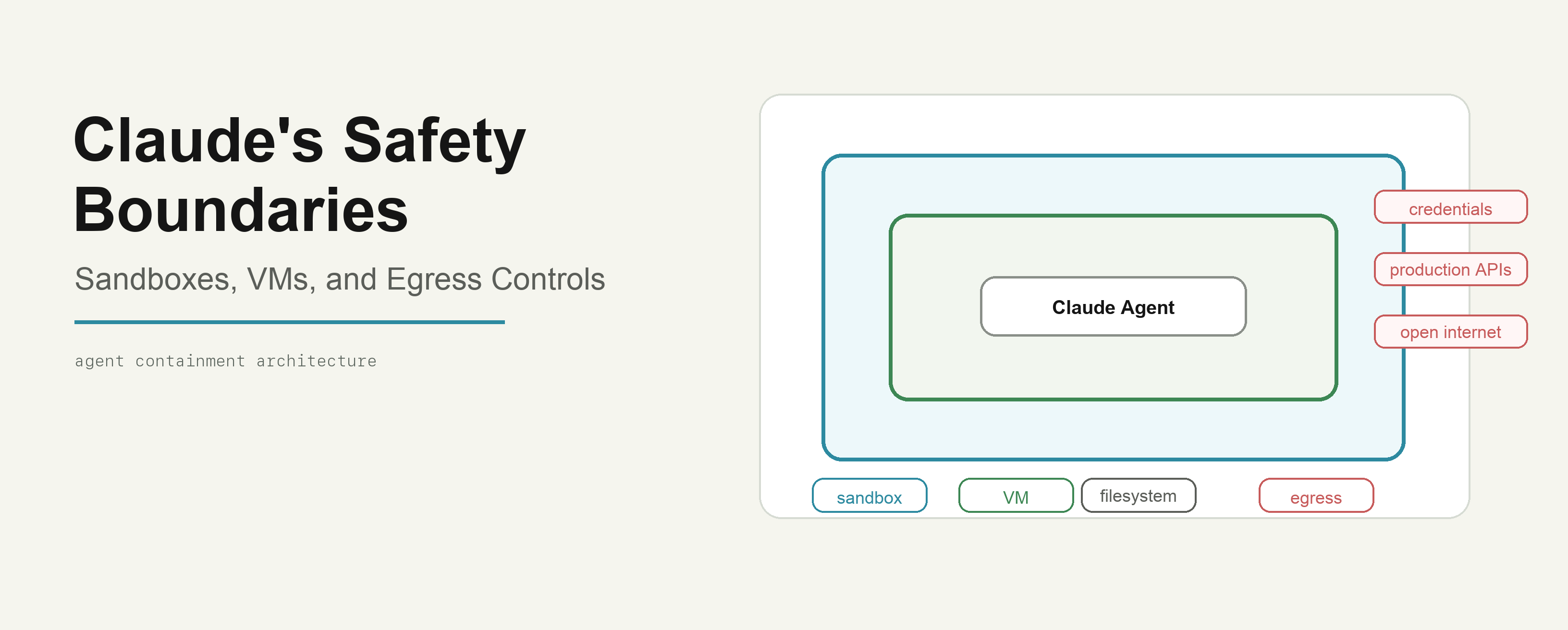
Anthropic's engineering article is useful because it treats agent safety as a systems problem, not only a model behavior problem.
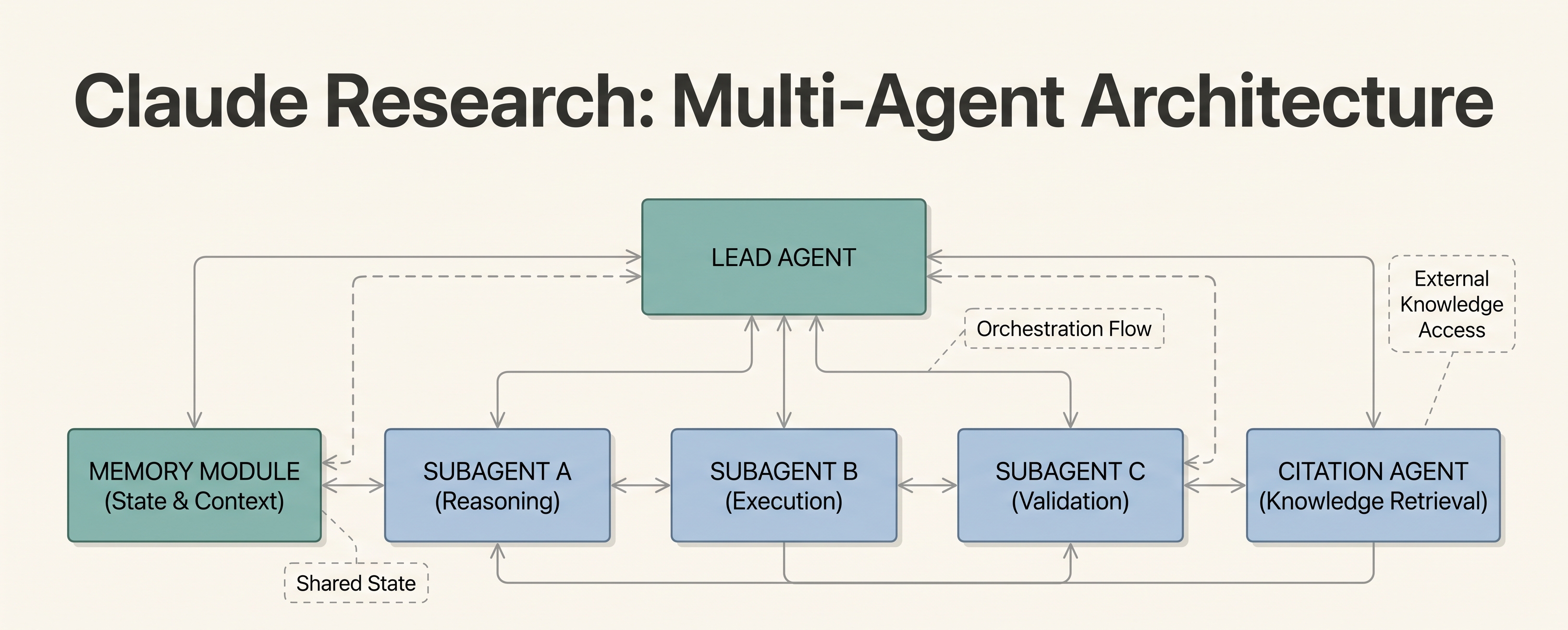
This learning note studies Anthropic Engineering's "How we built our multi-agent research system." The article explains how Claude Research uses a lead agent, parallel subagents, m
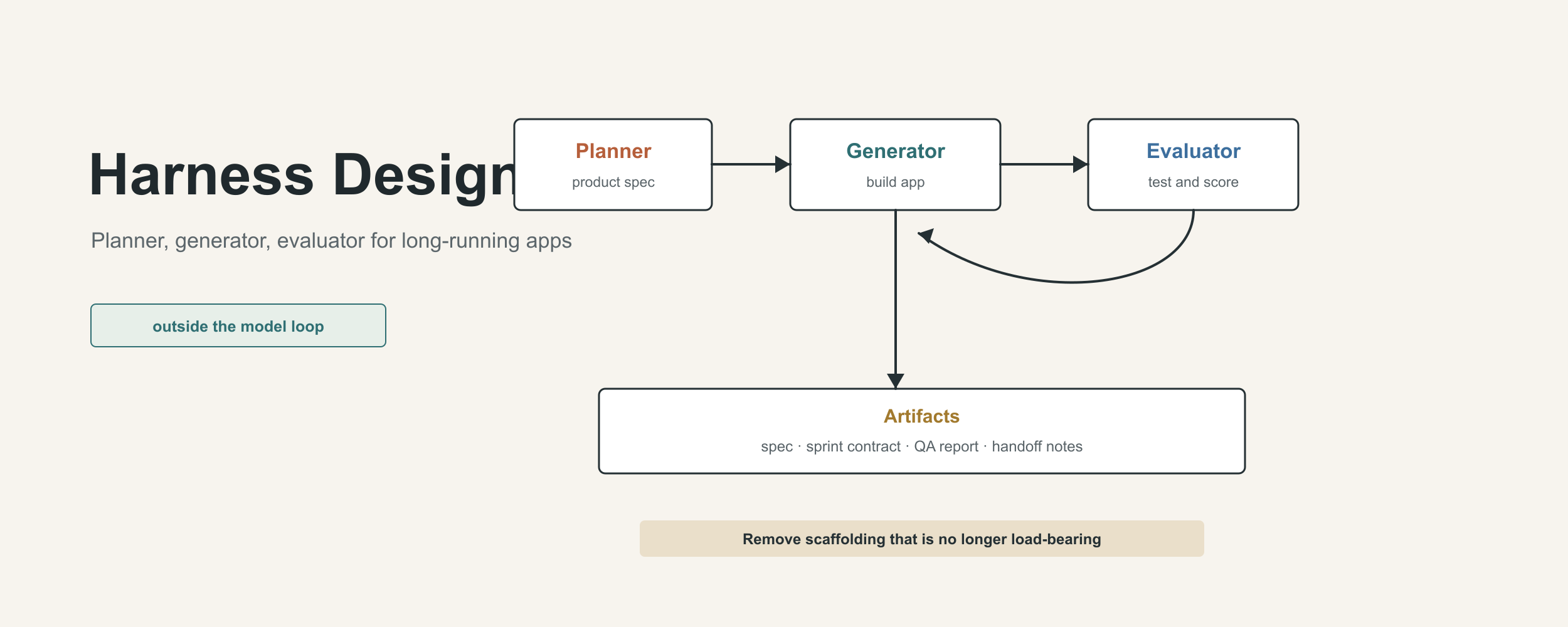
This article studies Anthropic Engineering's "Harness design for long-running application development": how planner, generator, and evaluator agents can be arranged around a model
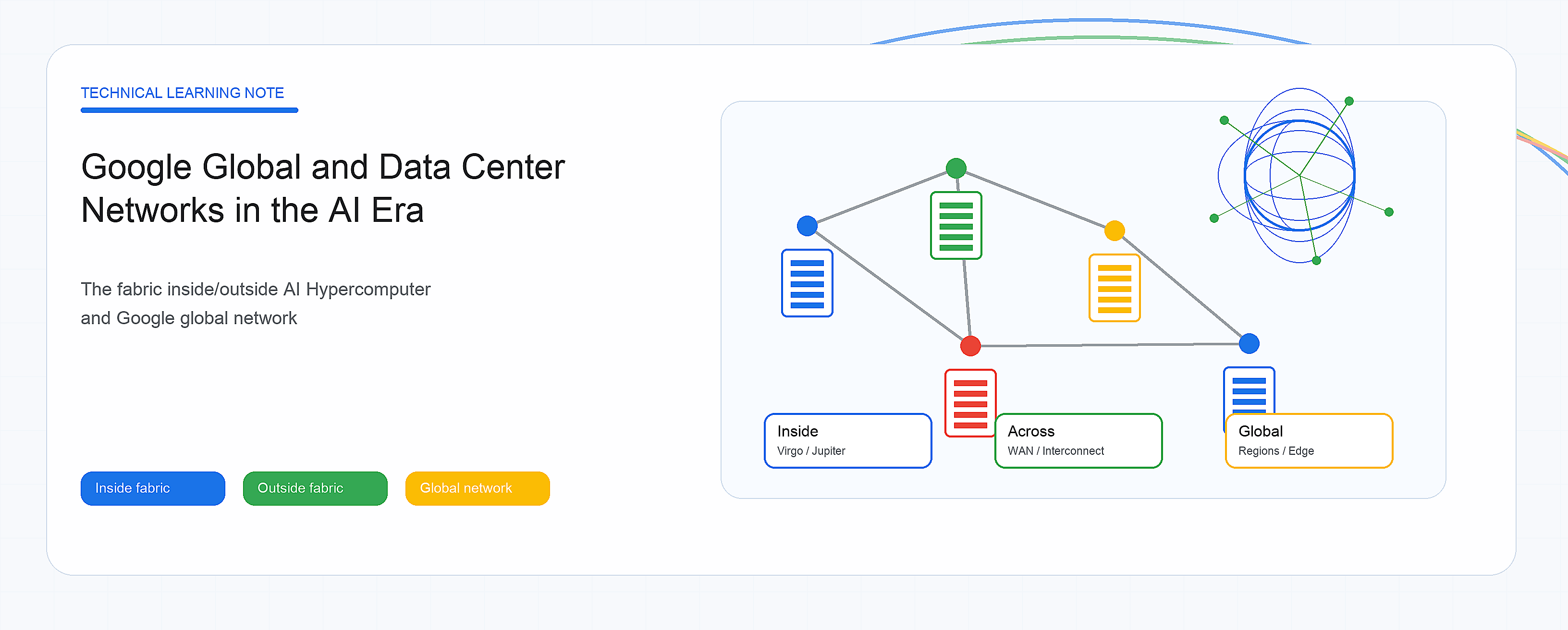
Google's article is useful because it frames AI infrastructure as a network problem, not just a compute problem.The core idea is simple: AI workloads need a network that can organi
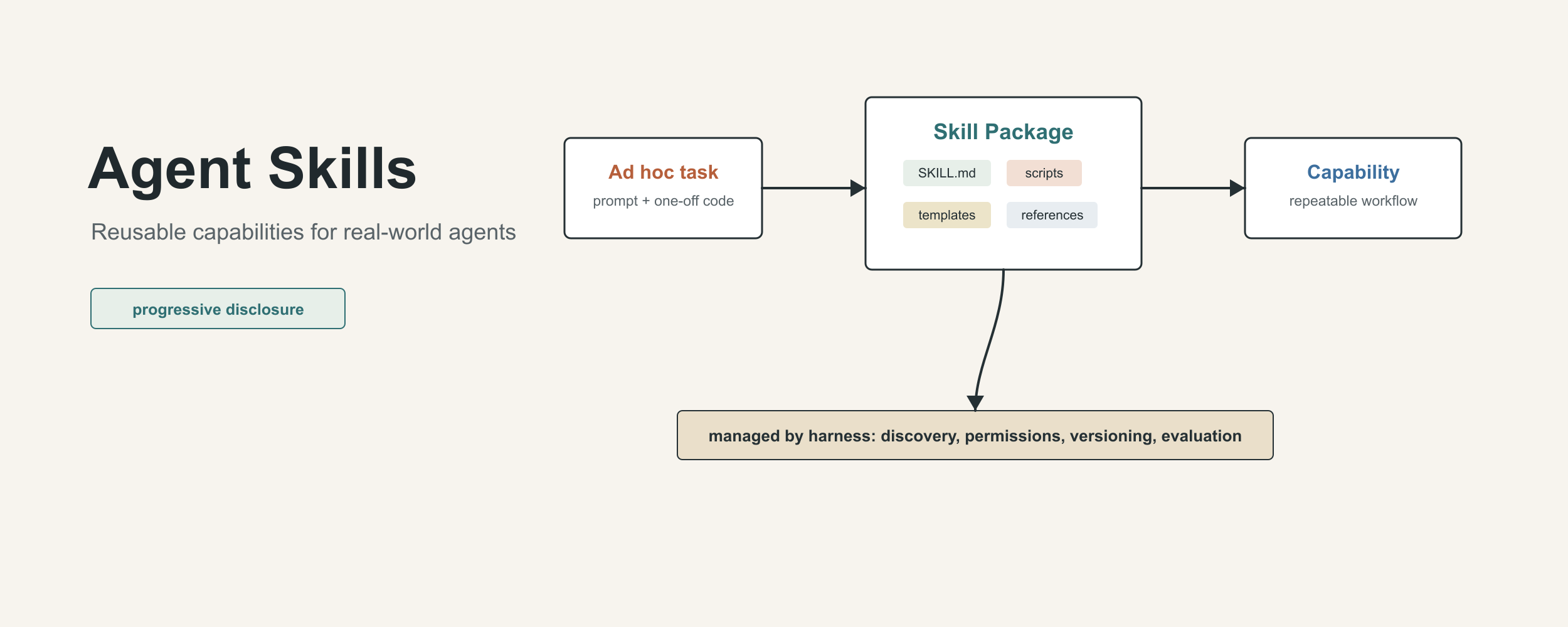
This article studies Anthropic Engineering’s Agent Skills: a way to package repeated task knowledge, scripts, templates, references, and operating rules into reusable capabilities
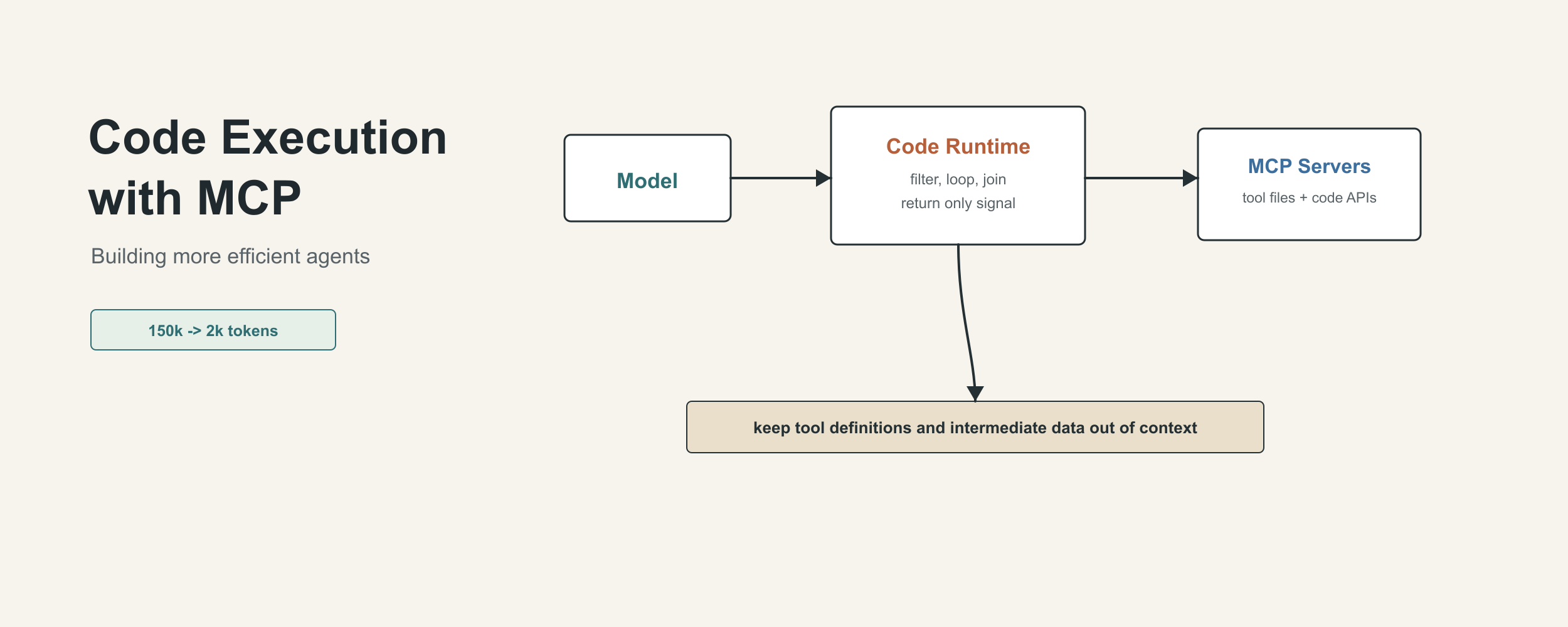
This article studies how code execution can make MCP-based agents more efficient by keeping tool definitions and intermediate results out of model context.
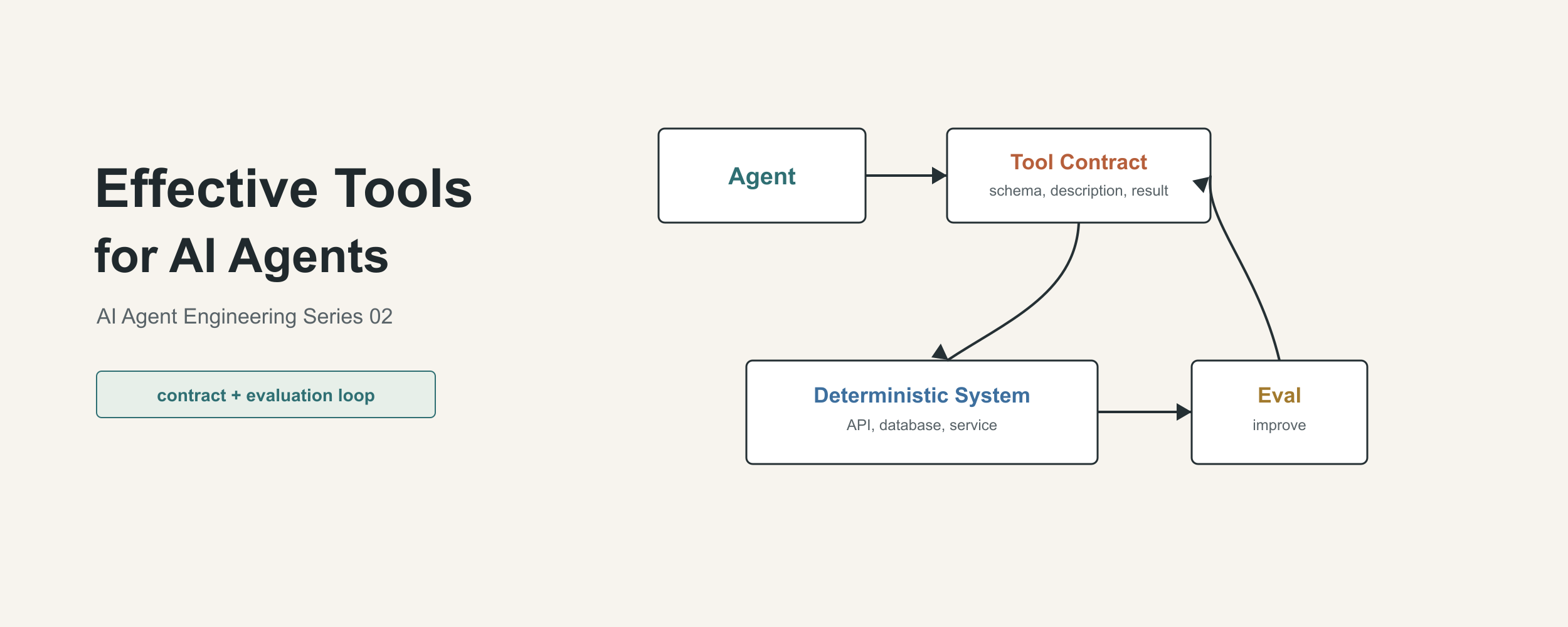
This article studies Anthropic Engineering’s practical method for designing AI agent tools as contracts between deterministic systems and non-deterministic agents.
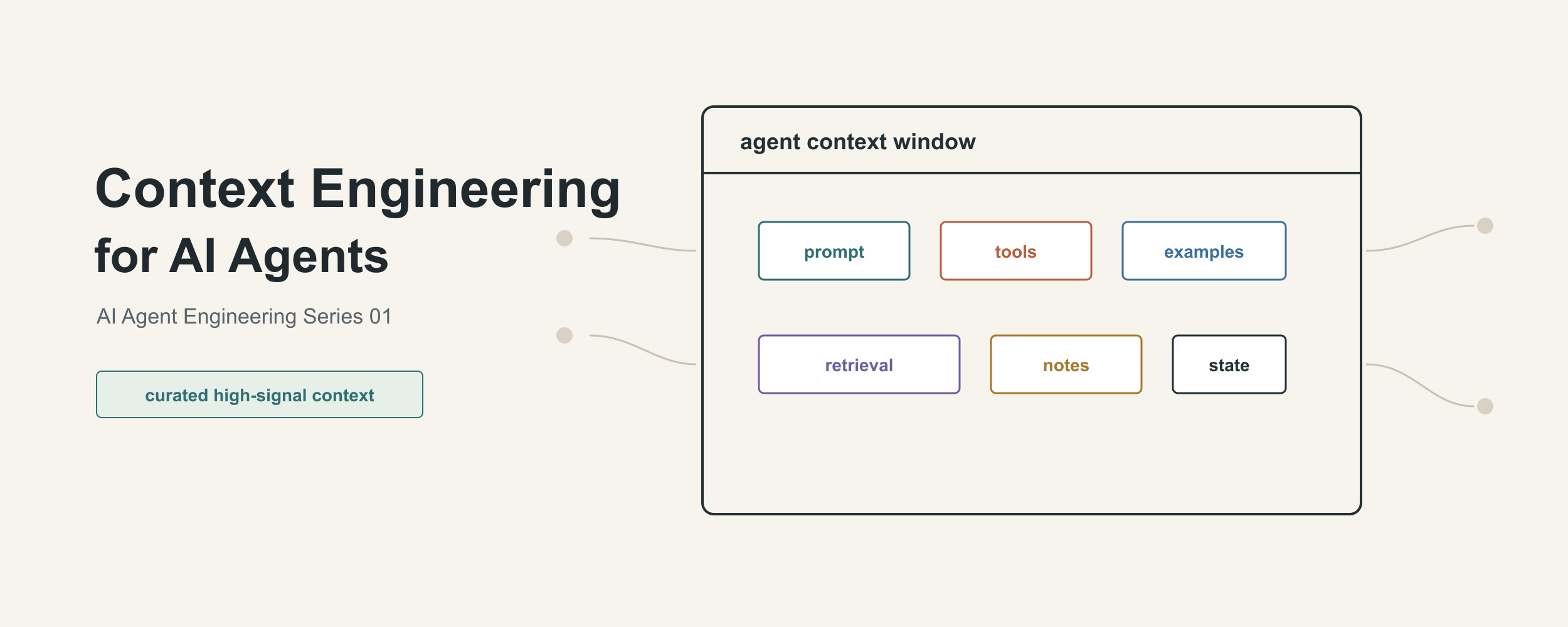
A full English learning note based on Anthropic Engineering's Effective context engineering for AI agents.
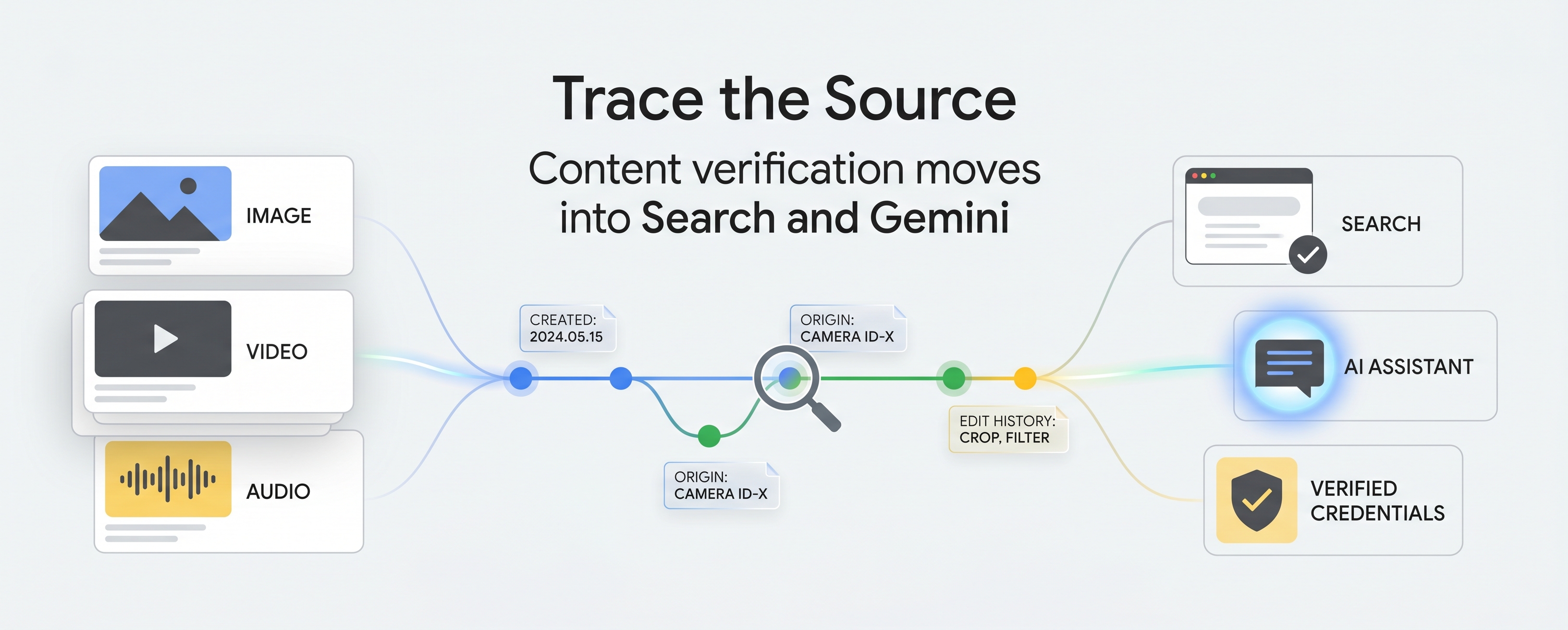
Google's latest update is easy to misread as another AI detection feature. The more important shift is deeper: digital media is starting to need an identity layer.
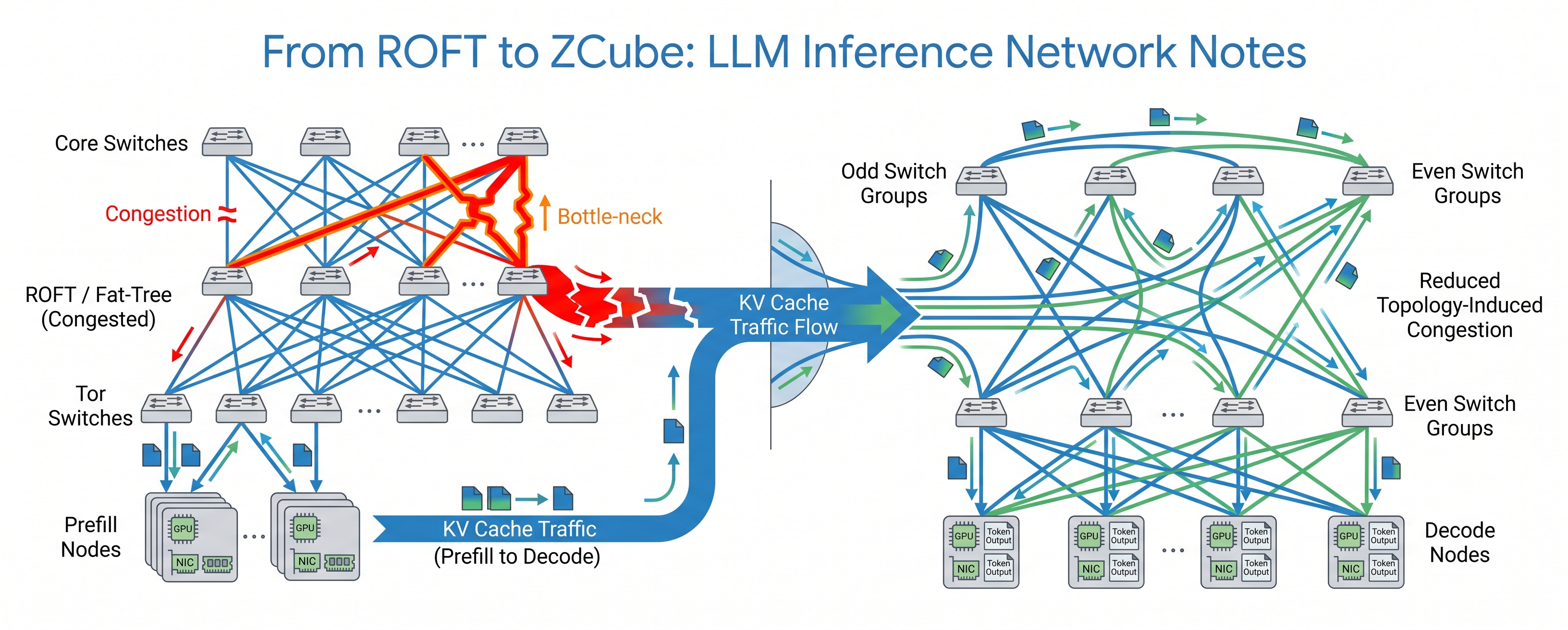
This is a learning-oriented rewrite of Z.ai's article on ZCube, a network architecture designed for large-scale LLM inference clusters. The core idea is simple: as inference moves
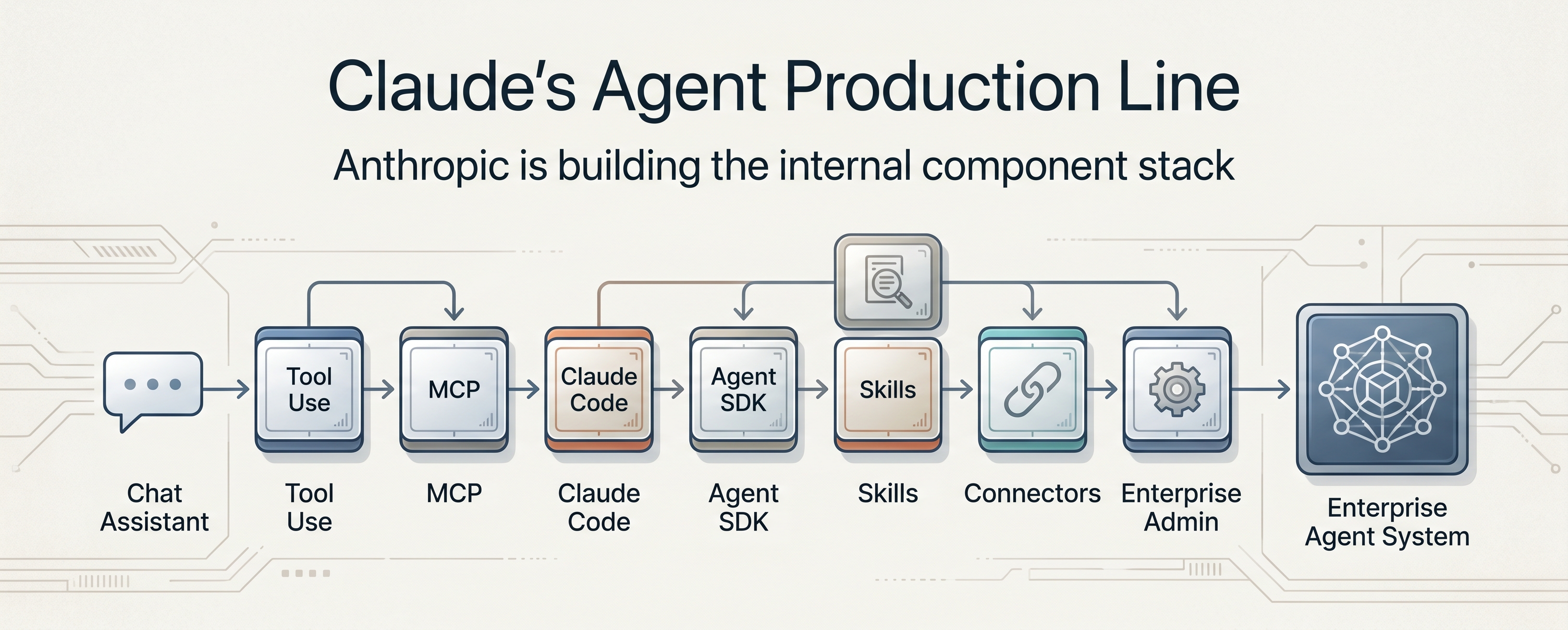
The previous piece looked at Anthropic's external map: compute, enterprise systems, delivery partners, industry workflows, and the Stainless acquisition as a connectivity move.
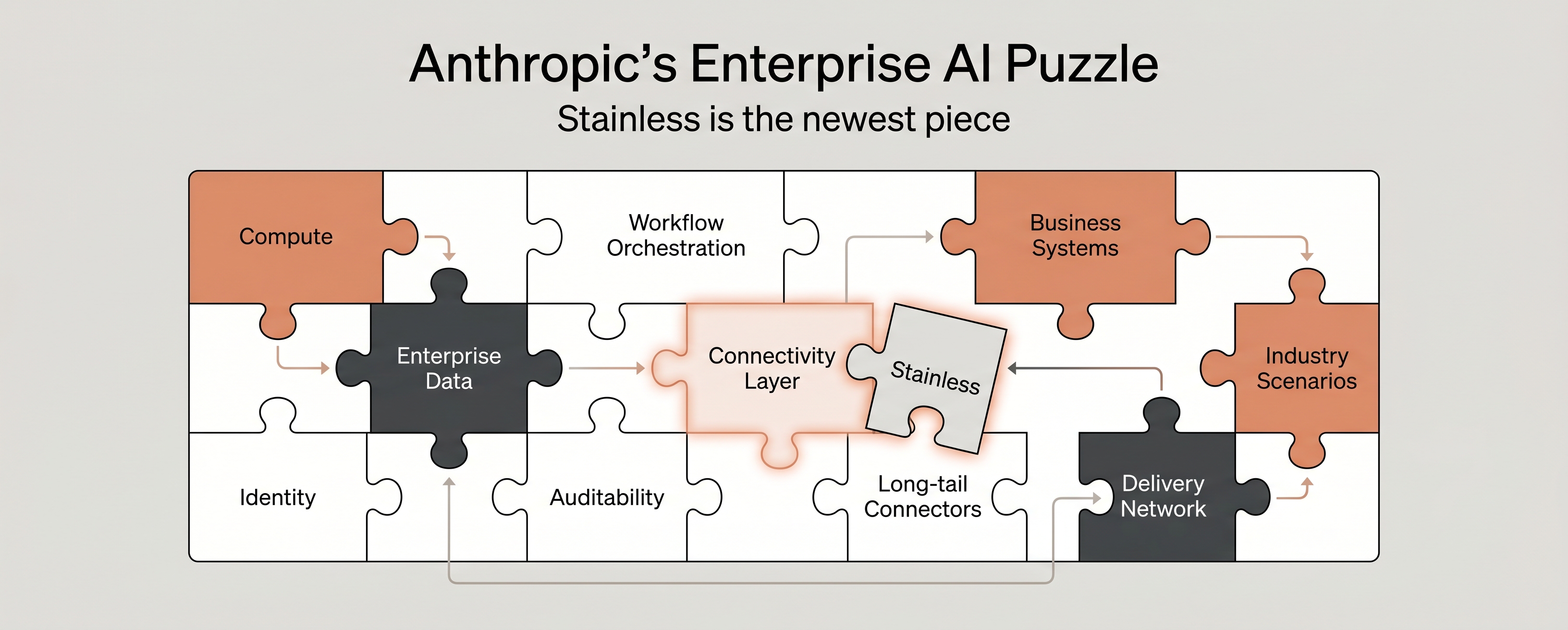
Anthropic's acquisition of Stainless looks like a developer tooling deal at first. It is more than that.Stainless turns API specifications into SDKs, command-line tools, and MCP se
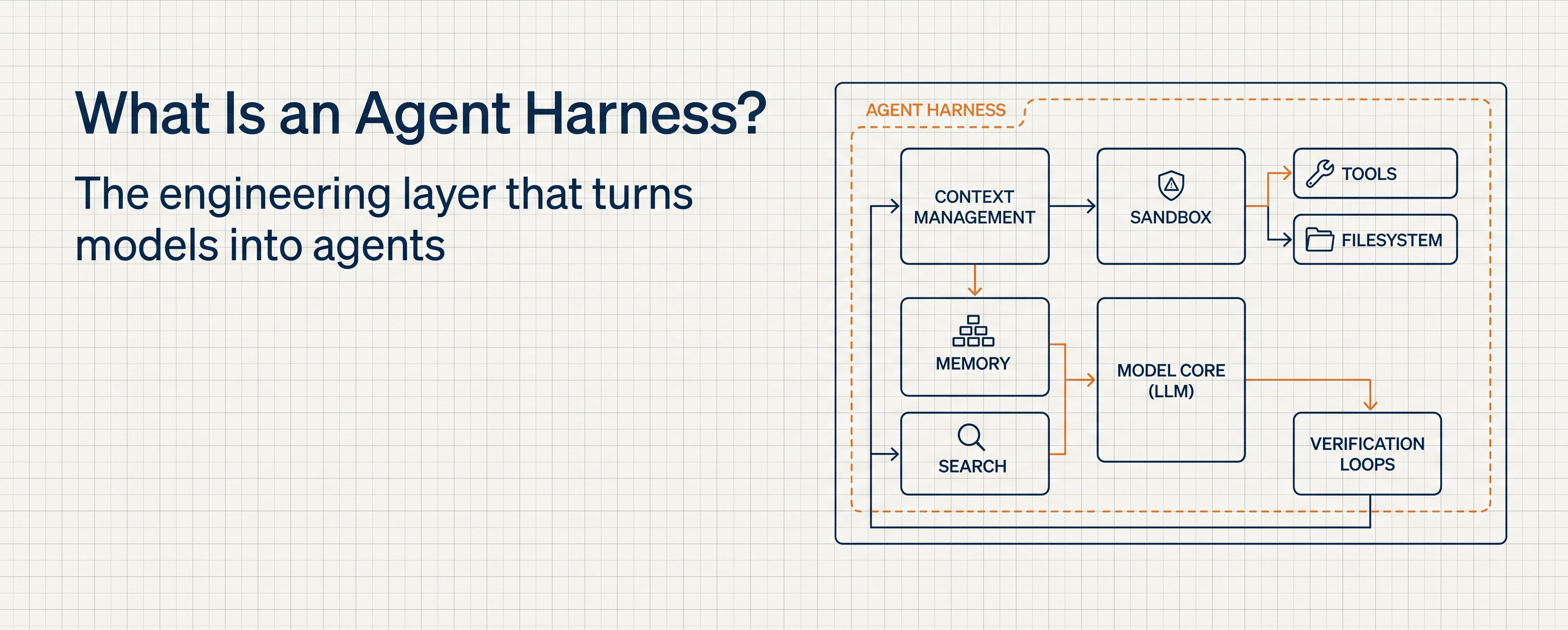
LangChain's framing is simple: **Agent = Model + Harness**.The model provides intelligence. The harness turns that intelligence into usable work.
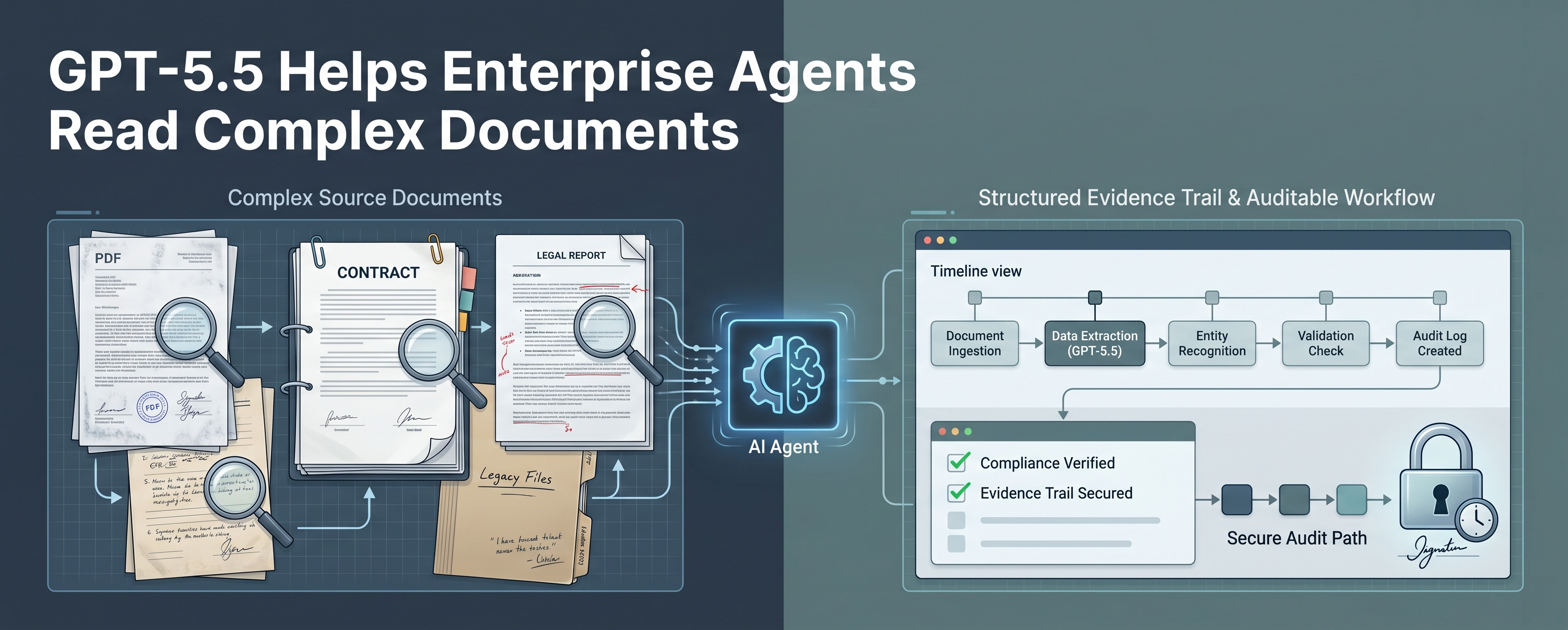
OpenAI's Databricks case study looks like a model-performance story. GPT-5.5 reached a new state of the art on OfficeQA Pro, Databricks' benchmark for complex enterprise agent task
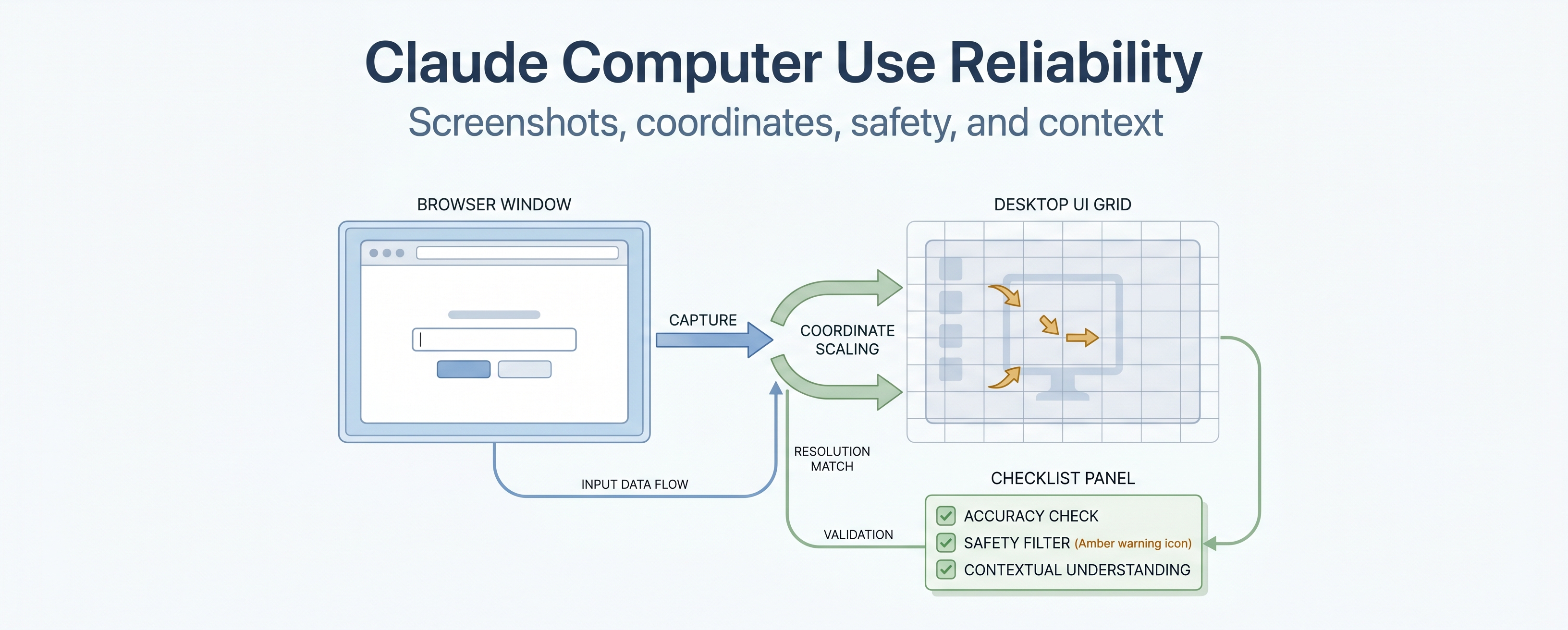
Anthropic's guide to computer and browser use with Claude is best read as an engineering checklist. It covers what has to be true before a visual agent can reliably click, type, na
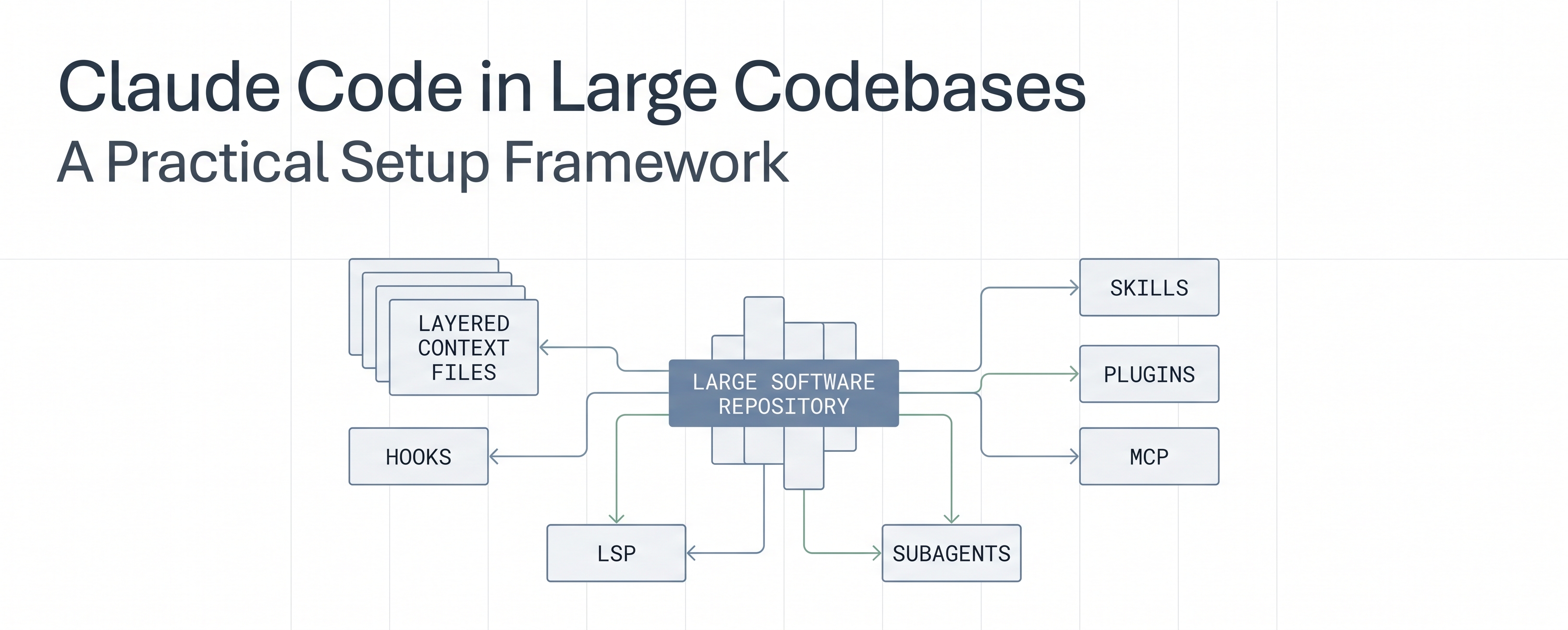
Anthropic's article on Claude Code in large codebases is best read as an operating guide, not as a product announcement. It explains how teams make Claude Code useful in multi-mill
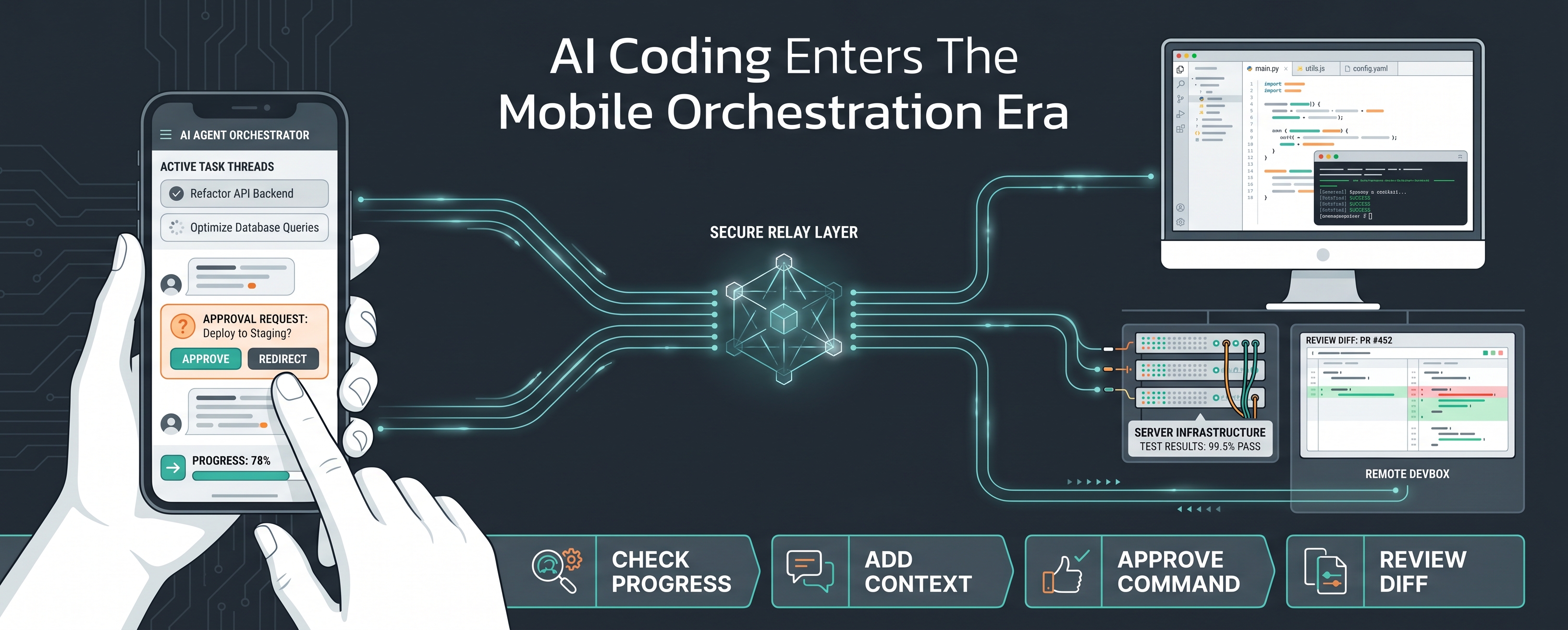
OpenAI's update that brings Codex into the ChatGPT mobile app looks like a mobile feature. It is more than that.The real shift is that coding agents are starting to leave the deskt
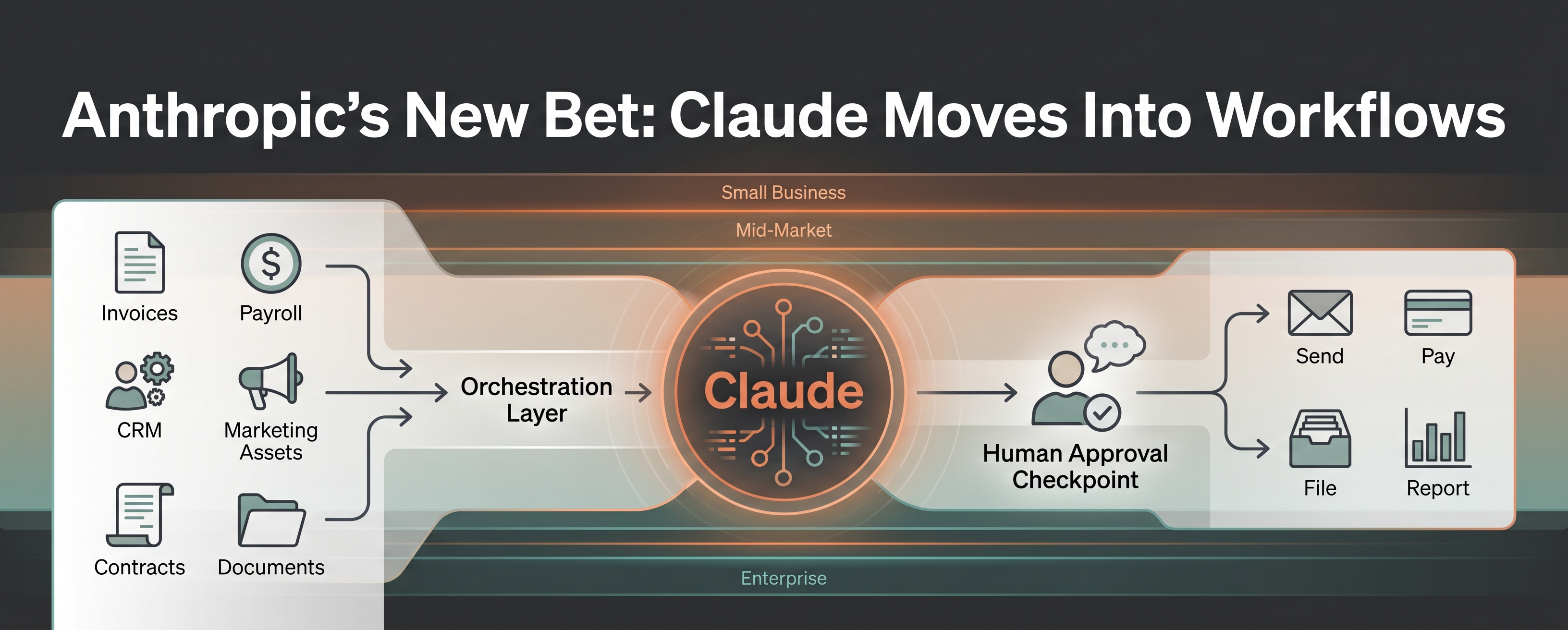
Anthropic's Claude for Small Business looks like a product launch. Read alongside Anthropic's May 4 announcement of a new enterprise AI services company with Blackstone, Hellman &
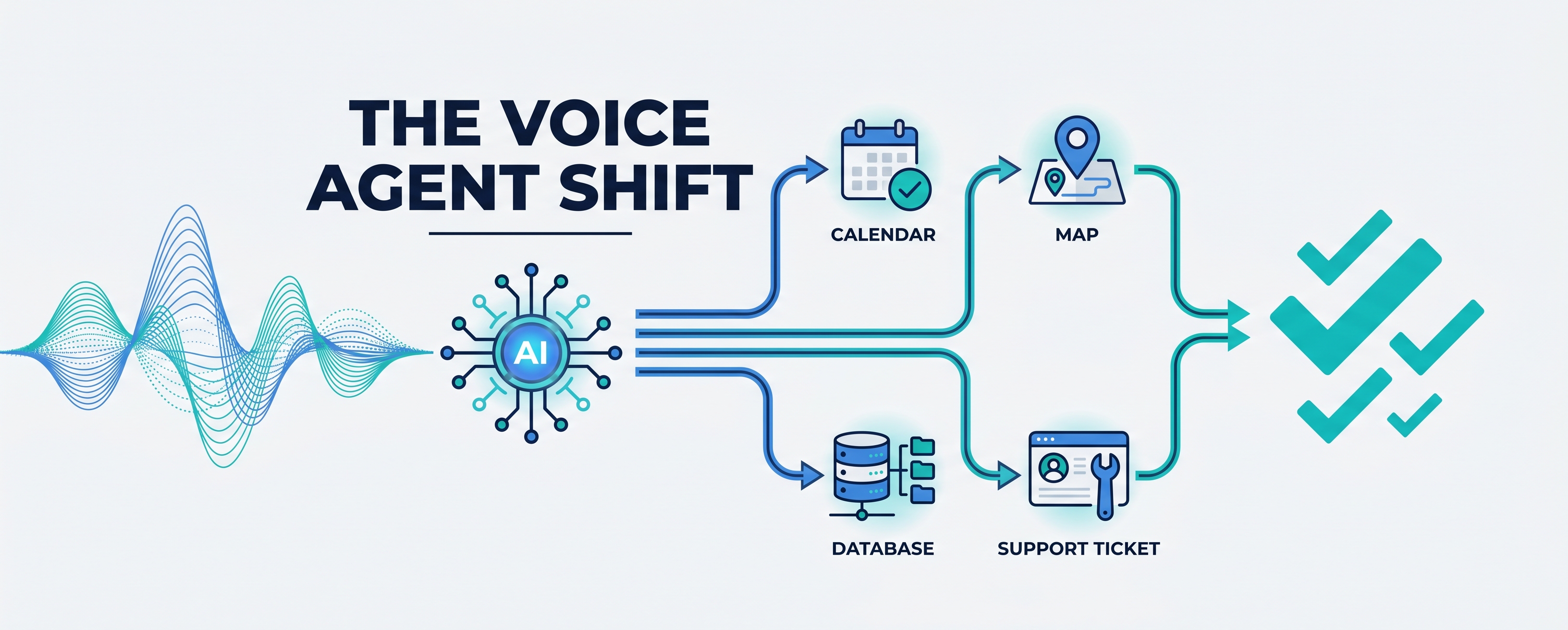
OpenAI's new realtime voice models are less about natural-sounding speech and more about turning voice into a working interface.
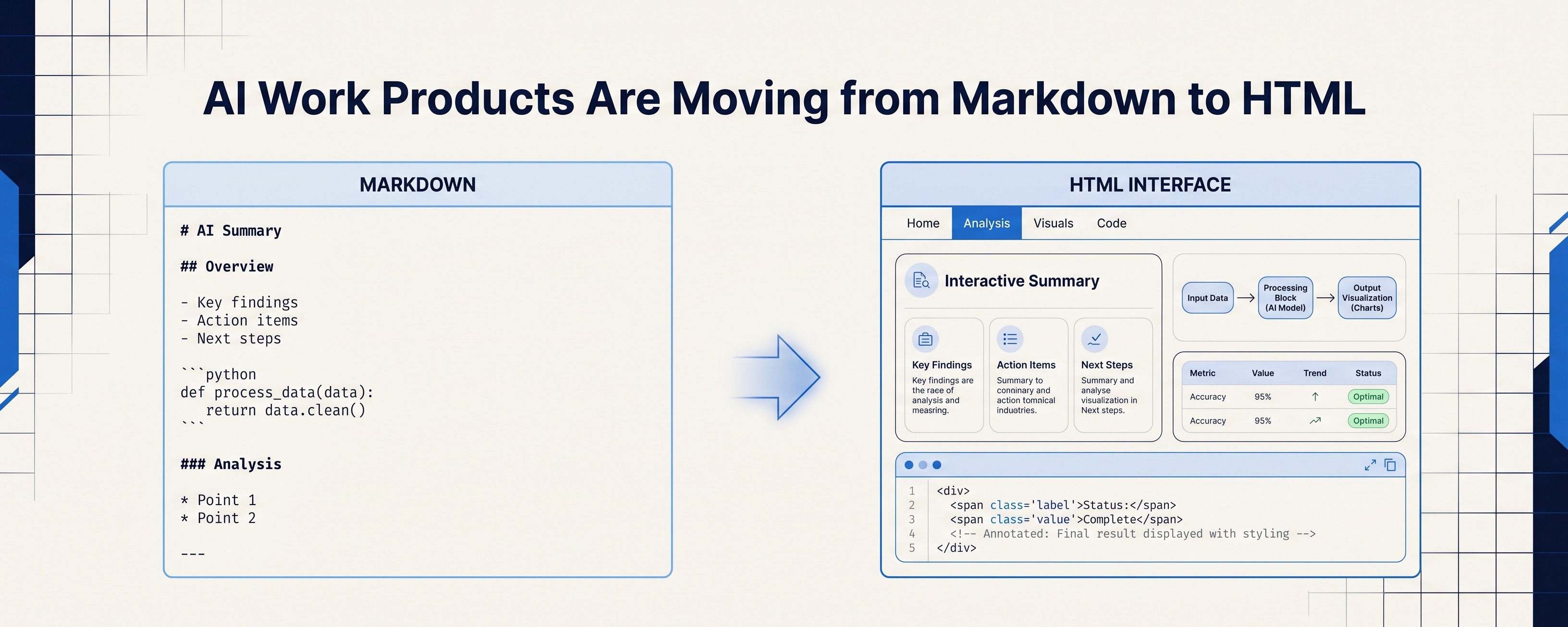
Thariq's essay on using HTML with Claude Code looks, at first glance, like a file-format preference: ask Claude Code for HTML instead of Markdown.
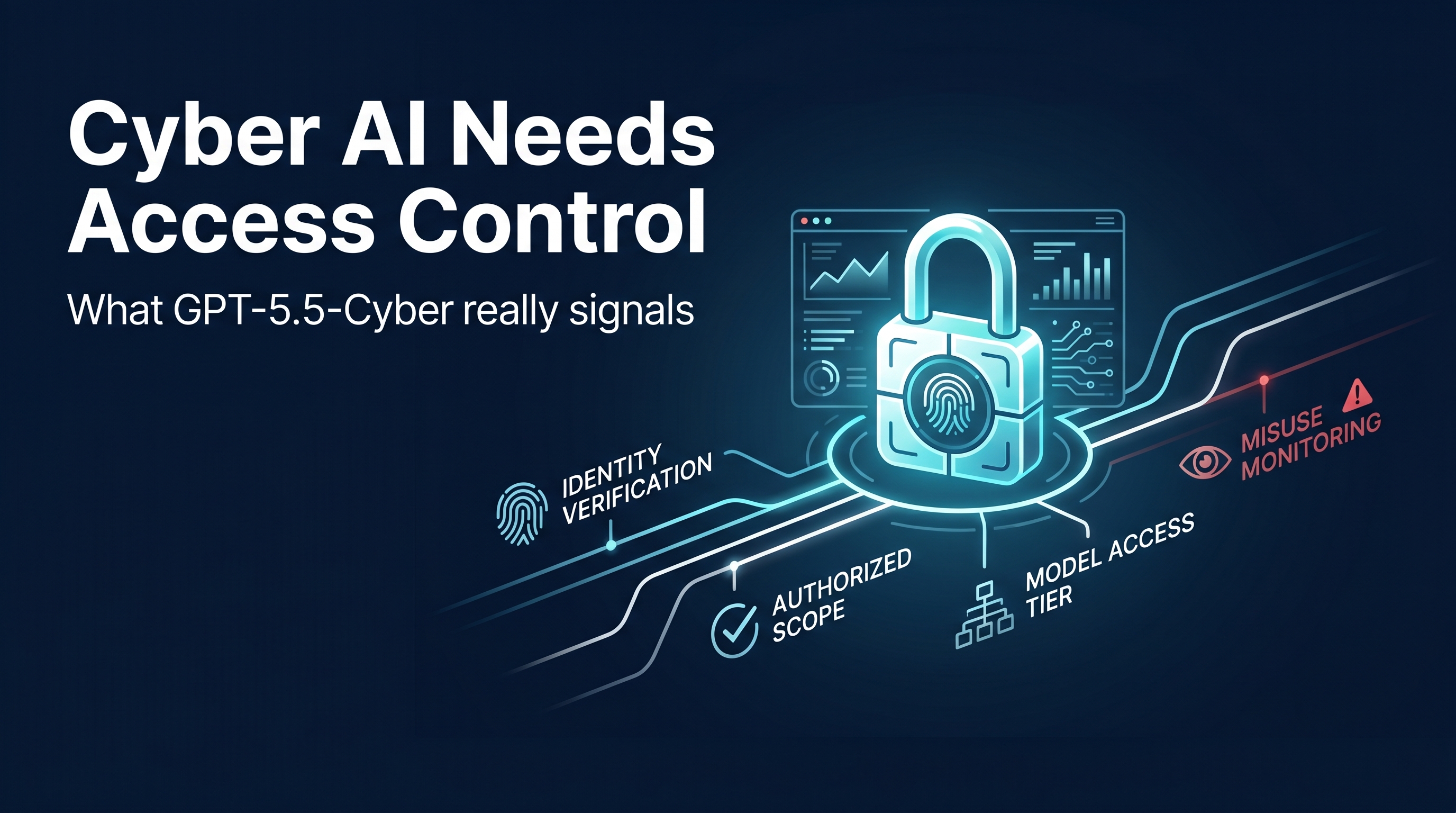
OpenAI’s announcement of GPT-5.5 with Trusted Access for Cyber and the limited preview of GPT-5.5-Cyber is not just another model release. The more important shift is access contro
你以为大模型公司的竞争,还是谁的模型更会写代码、谁的上下文更长、谁的推理更聪明?OpenAI 这篇工程文章提醒了一件更底层的事:模型能力继续往上堆,瓶颈已经不只在算法,也不只在显卡数量,而是在数据中心网络。说得更直白一点:你买到十万张显卡,不等于你拥有十万张显卡的训练能力。

OpenAI 发布 GPT-5.5 Instant,表面上看是一次默认模型升级。但这件事真正值得关注的地方,不是“又出了一个更聪明的模型”,而是 OpenAI 正在继续强化 ChatGPT 的默认入口地位。默认模型不是最炫的模型,却是最重要的模型。
Anthropic 这次发布的金融服务智能体(Agent),不应该只看成一次行业方案更新。更准确的判断是:企业 AI 正在从“给员工一个更强的聊天助手”,转向“把高频流程拆成可复用、可审计、可接入系统的工作模板”。这才是这次发布真正值得关注的地方。
OpenAI 这次发布 GPT-5.5,表面上还是一次模型升级。但如果只看“更聪明、更会写代码、更会做研究”,就会漏掉真正重要的变化:OpenAI 正在把模型竞争,从单次回答能力,推到“长时间执行复杂任务”的系统竞争。GPT-5.5 的关键词不是 chat,而是 agentic work。
OpenAI 最近写了一篇很奇怪、但其实很重要的文章。主题看起来像个内部趣闻:从 GPT-5.1 开始,模型越来越喜欢在回答里提到 goblins、gremlins 这类小怪物。到 GPT-5.5 在 Codex 里测试时,OpenAI 员工已经能明显感到这种风格偏移,于是团队开始追查:这些“哥布林”到底从哪里来?
本文深入探讨了人工智能技术对生产力与社会结构的深刻变革,重点分析了AI时代下的个人生存挑战。文章通过剖析AI驱动的自动化趋势,提出了提升核心竞争力、建立终身学习体系及适应人机协作模式的具体策略,帮助读者在数字化浪潮中保持主动,实现职业发展的转型与升级。
本文深入探讨了 AI Agent 在网络交互中的工具应用,详细分析了智能体如何通过特定接口与互联网资源进行交互。内容涵盖了 Agent 设计模式、常用网络工具集及其在自动化工作流中的关键作用,旨在为开发者提供构建高效、智能化网络协作 Agent 的技术参考与实践指导,提升大模型在复杂网络环境下的自主解决问题能力。
本文深度解析了Anthropic与OpenAI在Agent基础设施领域的战略差异。Anthropic侧重于提供托管运行时环境,强调稳定与易用;OpenAI则致力于构建可组装的底层模型架构,赋予开发者更高灵活度。通过对比两者的技术路线与商业逻辑,本文探讨了AI Agent时代的演进路径及市场竞争焦点,为理解大模型生态的未来布局提供了深刻洞察。
本文深入探讨了Agent基础设施的演进趋势,对比了Anthropic通过托管运行时(Computer Use)提供一站式操作能力,与OpenAI通过可组装底座(Swarm等框架)提供灵活开发接口的不同路径。文章通过技术剖析,揭示了双方在AI代理构建模式上的战略差异及对开发者生态的影响,旨在帮助技术人员理解Agent开发范式的变革。
Try adjusting your filter criteria